When you think about bees and hummingbirds visiting your garden, spring probably comes to mind. But in Phoenix, there’s still plenty of pollinator activity to enjoy during the cooler months.
While gardens in colder parts of the country are settling into winter dormancy, many plants in the Valley are entering their flowering season. And for hummingbirds, bees, and other pollinators, those flowers can provide an important food source.
If you’d like to see more wildlife visiting your backyard this winter, choosing the right plants is a good place to start.
Why Are Pollinators Important During Winter?
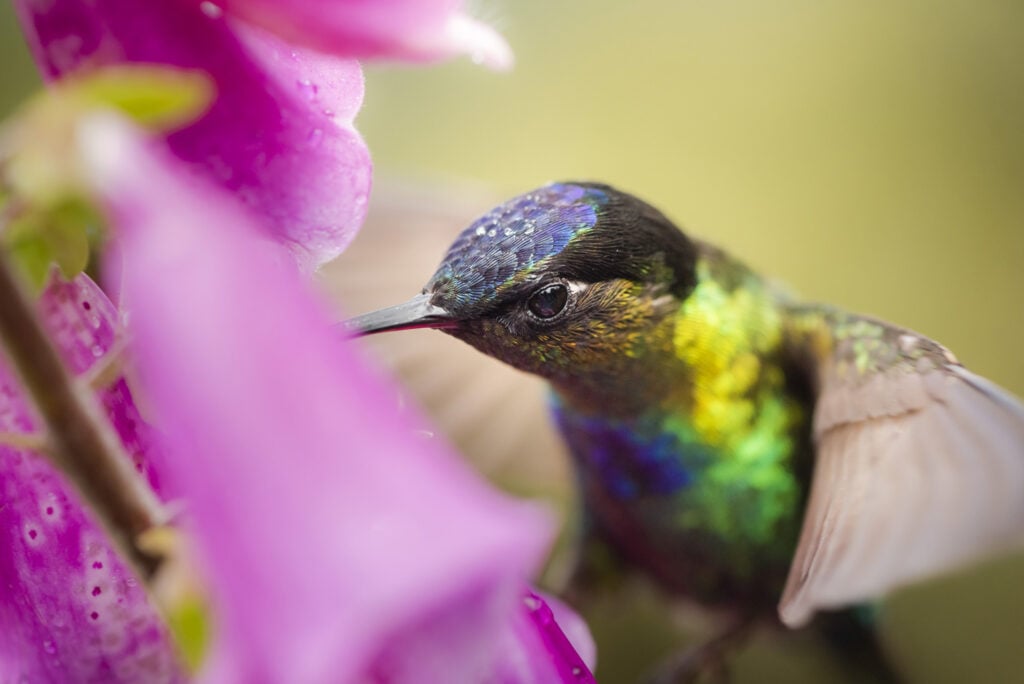
Pollinators help flowering plants reproduce by transferring pollen between flowers. This process allows many plants to produce seeds and fruit, and it supports the natural ecosystems around us.
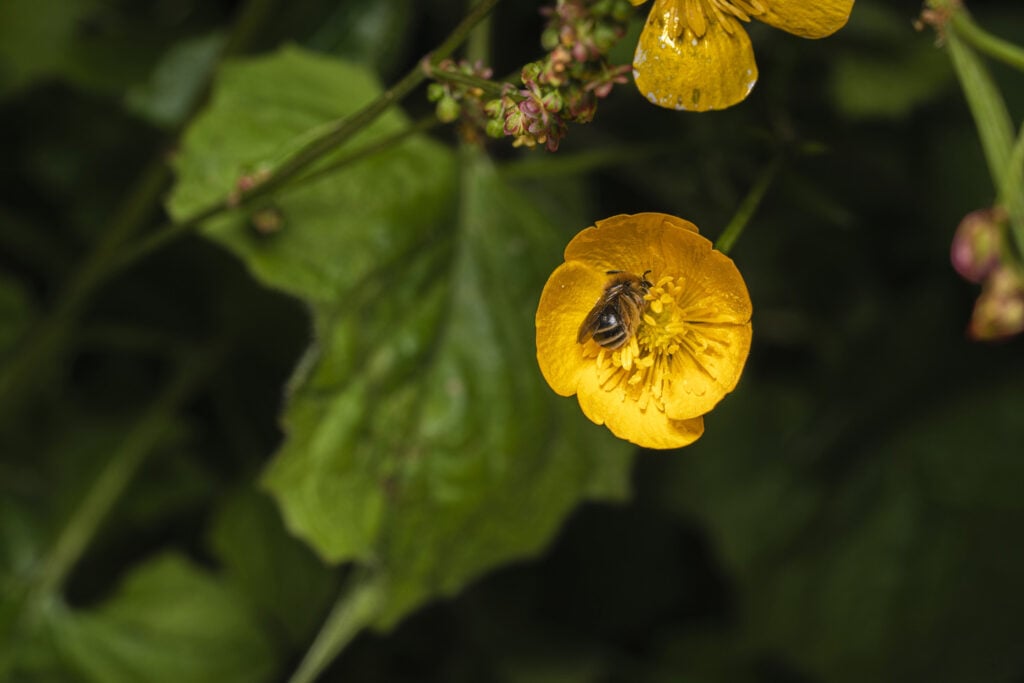
Bees are particularly important because they collect both nectar and pollen. Nectar provides energy, while pollen supplies nutrients needed for their development and reproduction.
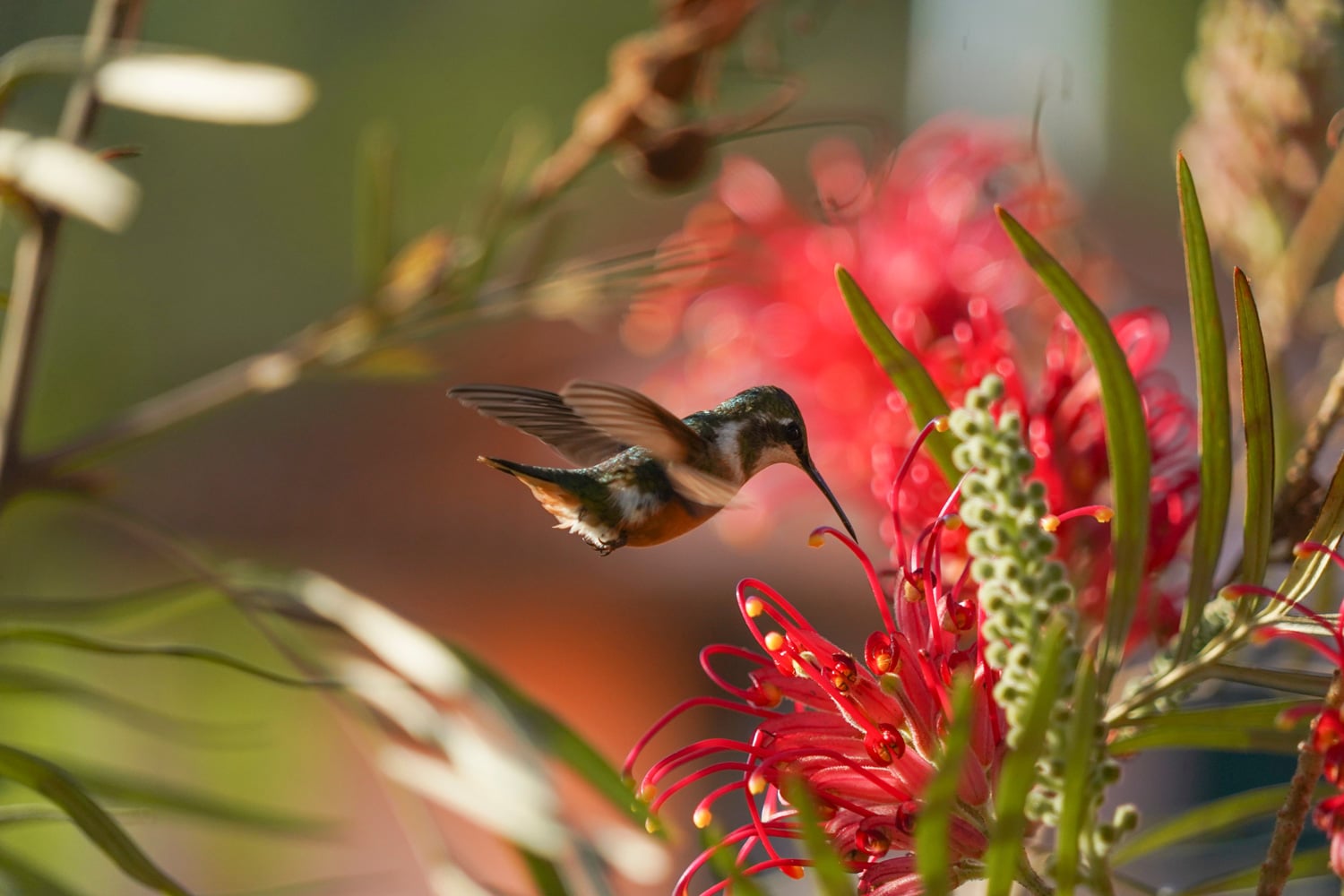
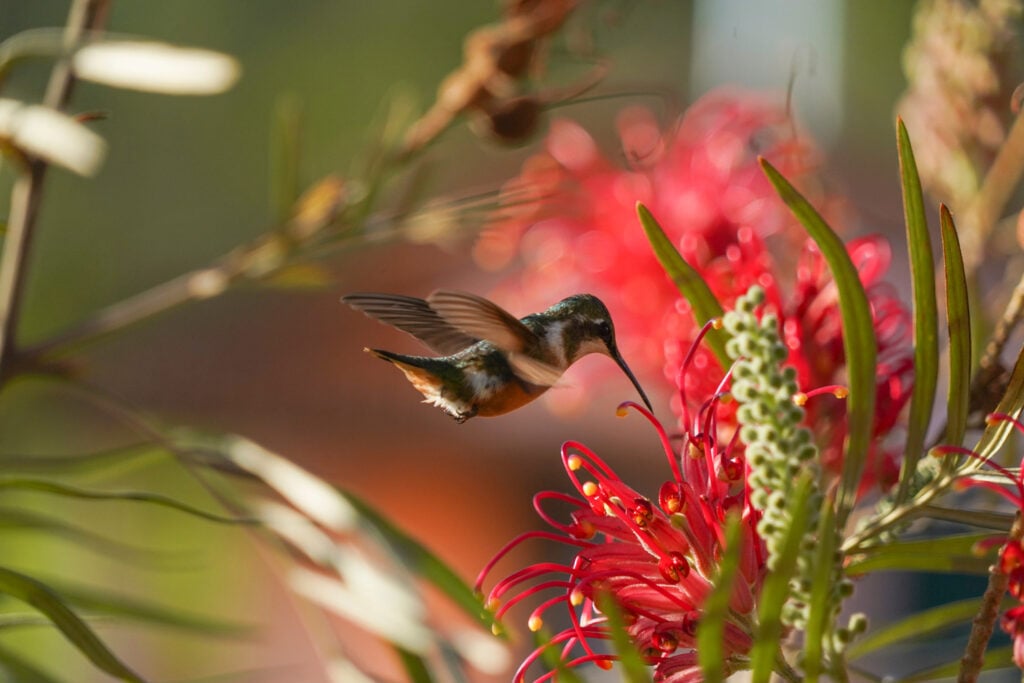
Hummingbirds also play a role in pollination. As they move between flowers to feed on nectar, pollen can be carried from one bloom to another.
Here in Phoenix, pollinator activity doesn’t disappear when temperatures drop. Anna’s hummingbirds can be found in the Valley throughout the year, and bees may continue foraging during warmer winter days.
However, cooler temperatures can reduce insect activity, and not every plant flowers during winter. Providing a variety of seasonal blooms helps support the pollinators that remain active.
Five Plants That Can Attract Pollinators to Your Phoenix Winter Garden
Not every flowering plant attracts the same visitors. Some are especially appealing to hummingbirds, while others provide pollen and nectar for bees.
These five plants are suited to Phoenix’s low-desert climate and can contribute flowers during the cooler part of the year.
1. Chuparosa (Justicia californica)
If attracting hummingbirds is your goal, chuparosa is worth considering.
This desert shrub produces bright red, tubular flowers that hummingbirds visit for nectar. It’s native to the Sonoran Desert and is well adapted to the growing conditions around Phoenix.
Chuparosa commonly flowers during the cooler months, particularly from winter into spring. Flowering can vary depending on rainfall, irrigation, and temperatures.
Once established, it’s a relatively low-water landscape plant and works well in natural-looking desert gardens.
Best for: Hummingbirds.
2. Blue Bells Emu Bush (Eremophila hygrophana)
Blue Bells emu bush offers something a little different from the usual red flowers associated with hummingbird gardens.
Its silvery foliage and purple-blue tubular flowers make it an attractive addition to desert landscaping.
In the Phoenix area, Blue Bells can flower from fall through spring, providing nectar during a period when many warm-season plants aren’t blooming.
It prefers well-drained soil and is relatively low-water once established. It can be grown in sunny locations, although particularly cold or poorly drained spots should be avoided.
Best for: Hummingbirds, with potential visits from bees and other pollinators.
3. Winter-Blooming Aloes
Aloes aren’t just interesting succulents. Several types produce colorful flowers during the winter months.
Depending on the species, flowering can begin in December or January and continue into spring.
Their tall flower stalks often carry clusters of orange, red, or yellow tubular blooms that attract hummingbirds.
Blue Elf aloe is one option for smaller landscapes and containers, with flowers generally appearing from winter into spring.
Keep in mind that cold tolerance and sun requirements vary among aloe species. Some need protection during freezing temperatures, and not every aloe flowers at the same time.
Best for: Hummingbirds.
4. Rosemary (Salvia rosmarinus)
Rosemary is commonly grown as a culinary herb, but its small flowers can also attract bees.
In Phoenix’s mild winters, established rosemary plants may produce blue or lavender-colored flowers during the cooler months.
These flowers provide nectar and pollen for visiting bees when weather conditions are suitable for foraging.
Rosemary prefers well-drained soil and needs careful placement in Phoenix. Although it appreciates sunlight, harsh reflected heat and western exposure can make summer conditions difficult.
Best for: Bees.
5. Desert Globemallow (Sphaeralcea ambigua)
Desert globemallow brings a softer, more natural look to Arizona landscapes with its orange, apricot, or sometimes pinkish flowers.
This desert-adapted perennial can flower during the cooler months, although its strongest flowering display often occurs in spring.
Its open flowers are accessible to bees, including native bees that use globemallow and related plants.
Globemallow is a good choice for homeowners interested in supporting local pollinators while incorporating plants suited to the Sonoran Desert.
Best for: Bees, especially native bees.
How to Make Your Winter Garden More Pollinator-Friendly
Choosing flowering plants is a good start, but there are a few other things to consider when planning your garden.
Include Different Types of Flowers
Hummingbirds often visit tubular flowers, while many bees prefer flowers that offer easy access to nectar and pollen.
Planting a combination of flower shapes and species gives different pollinators more opportunities to find food.
You don’t need a large landscape to do this. Even a small garden bed or several appropriately sized containers can provide useful flowers.
Plan for Flowers Throughout the Season
One of the challenges with winter pollinator gardening is that plants don’t all bloom at the same time.
Autumn sage might still be flowering in November, while certain aloes may not begin blooming until December or January. Other plants reach their peak later in spring.
Combining plants with overlapping flowering periods helps provide a more consistent food source.
It’s also worth remembering that bloom times change with the weather. A particularly cold winter can delay flowers or reduce pollinator activity.
Provide Shelter and Places to Rest
Pollinators need more than flowers.
Hummingbirds use trees and shrubs for perching, resting, and protection. Native bees may nest in bare soil, hollow stems, or other undisturbed areas, depending on the species.
Leaving some natural areas in the landscape, rather than cleaning up every stem and patch of bare ground, can help provide habitat.
Be Careful With Pesticides
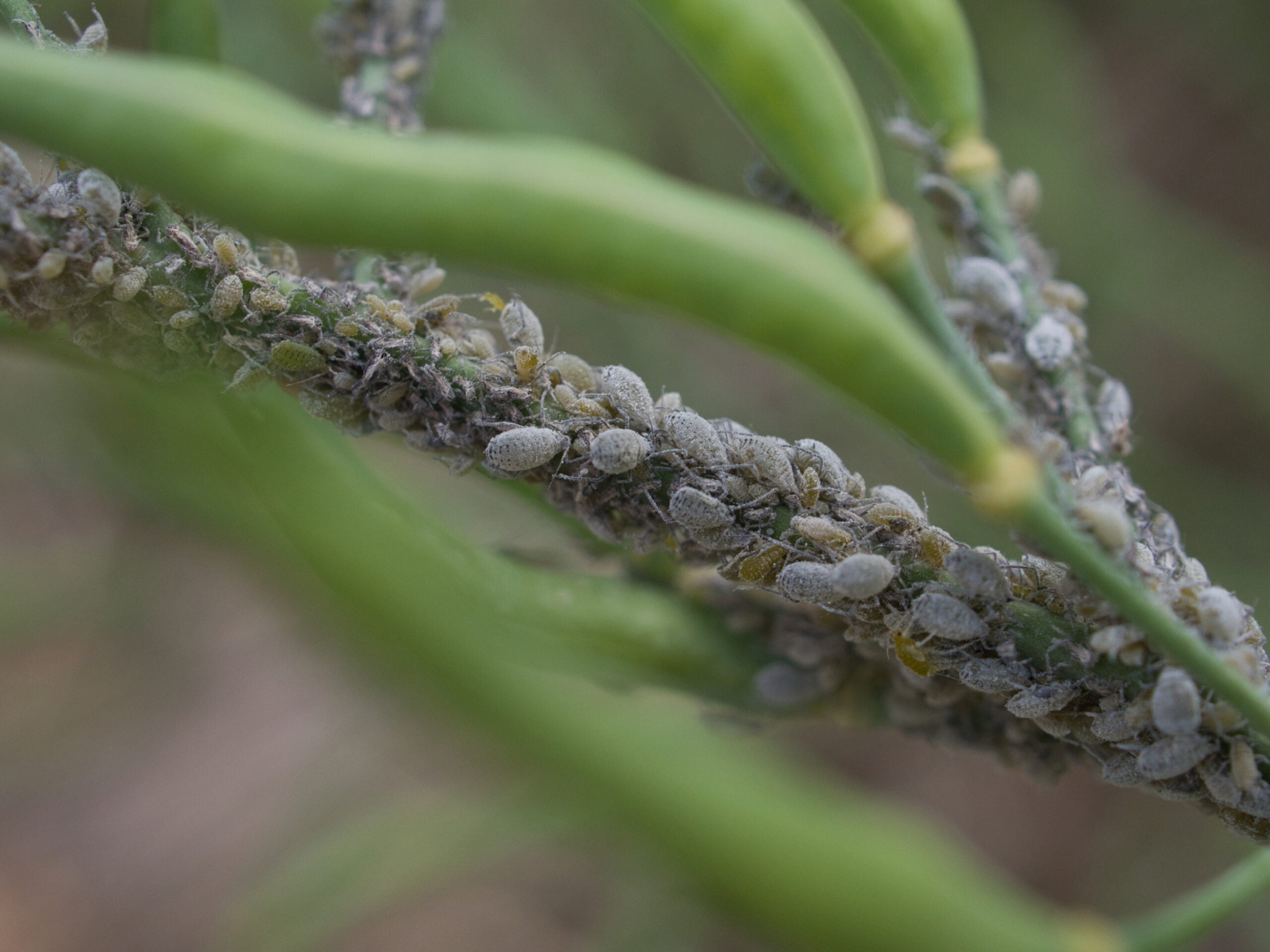
Before treating an insect problem, identify what’s actually affecting the plant.
Broad-spectrum insecticides can harm beneficial insects, including bees. Avoid unnecessary applications, especially around flowers where pollinators are actively feeding.
If treatment is needed, choose a product appropriate for the specific pest and follow its label instructions to reduce risks to pollinators.
Can You Attract Pollinators to a Small Phoenix Patio?
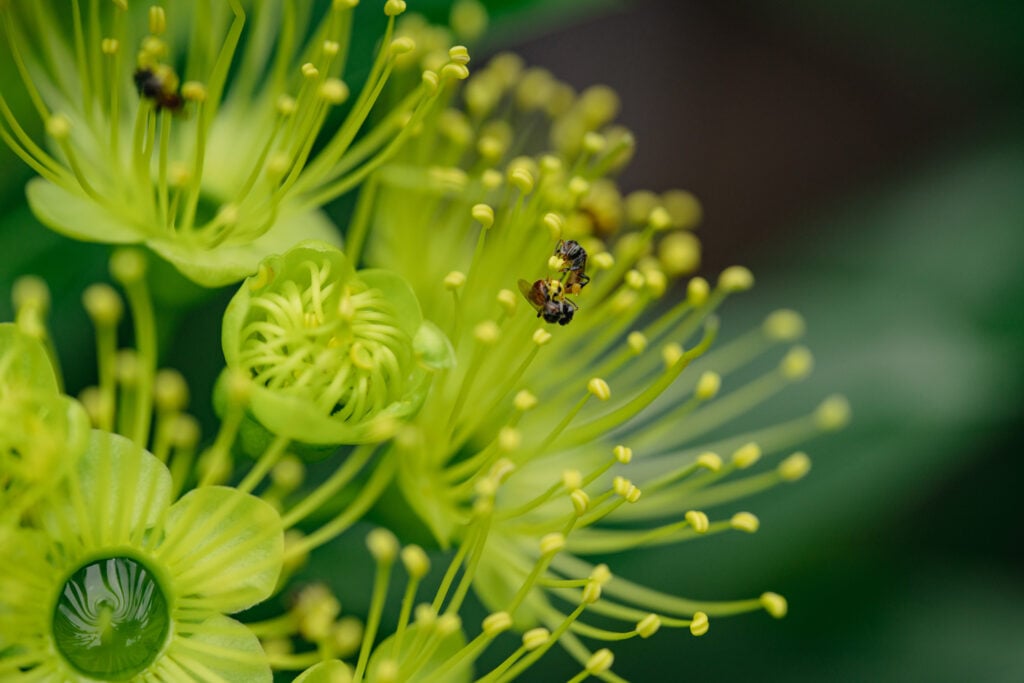
Absolutely. You don’t need a large backyard to enjoy visits from hummingbirds or bees.
A few containers with suitable flowering plants can provide nectar or pollen, especially when those plants are positioned where pollinators can easily find them.
For example, a container with Blue Elf aloe could provide winter flowers for hummingbirds, while flowering rosemary may attract bees.
Choose containers with drainage holes and enough room for the plants’ root systems. Remember that plants in pots need different watering attention than plants growing in the ground.
Placement matters, too. A patio that gets pleasant winter sunshine may become extremely hot during summer, particularly near west-facing walls or concrete.
Choose plants and locations that will work beyond the winter season.
A Phoenix Winter Garden Can Be Full of Life
Winter gardening in Phoenix offers opportunities that homeowners in colder climates don’t always have.
With the right mix of flowering plants, you can enjoy seasonal color while providing food and habitat for hummingbirds, bees, and other beneficial wildlife.
You don’t have to redesign your entire landscape. Start by looking at what’s already growing, when it flowers, and whether there’s room to add something that blooms during a different part of the season.
If you’re planning to add pollinator-friendly plants to your yard, stop by The Green Goddess. Our team can help you explore plants suited to Phoenix and find options that fit your landscape, sun exposure, and available space.