Smart Ways to Keep Your Yard Cooler
When temperatures climb above 100°F, your yard can feel more like an oven than a garden. Plants get stressed. Soil dries out fast. Outdoor spaces become unusable during the hottest parts of the day.
But here’s something many gardeners don’t realize: you can actually design your yard to feel cooler. You can lower plant stress, reduce heat buildup, and make your outdoor space more comfortable; all without wasting water.
And you can start now before summer temperatures hit.
The secret is understanding shade structures and micro-climate design.
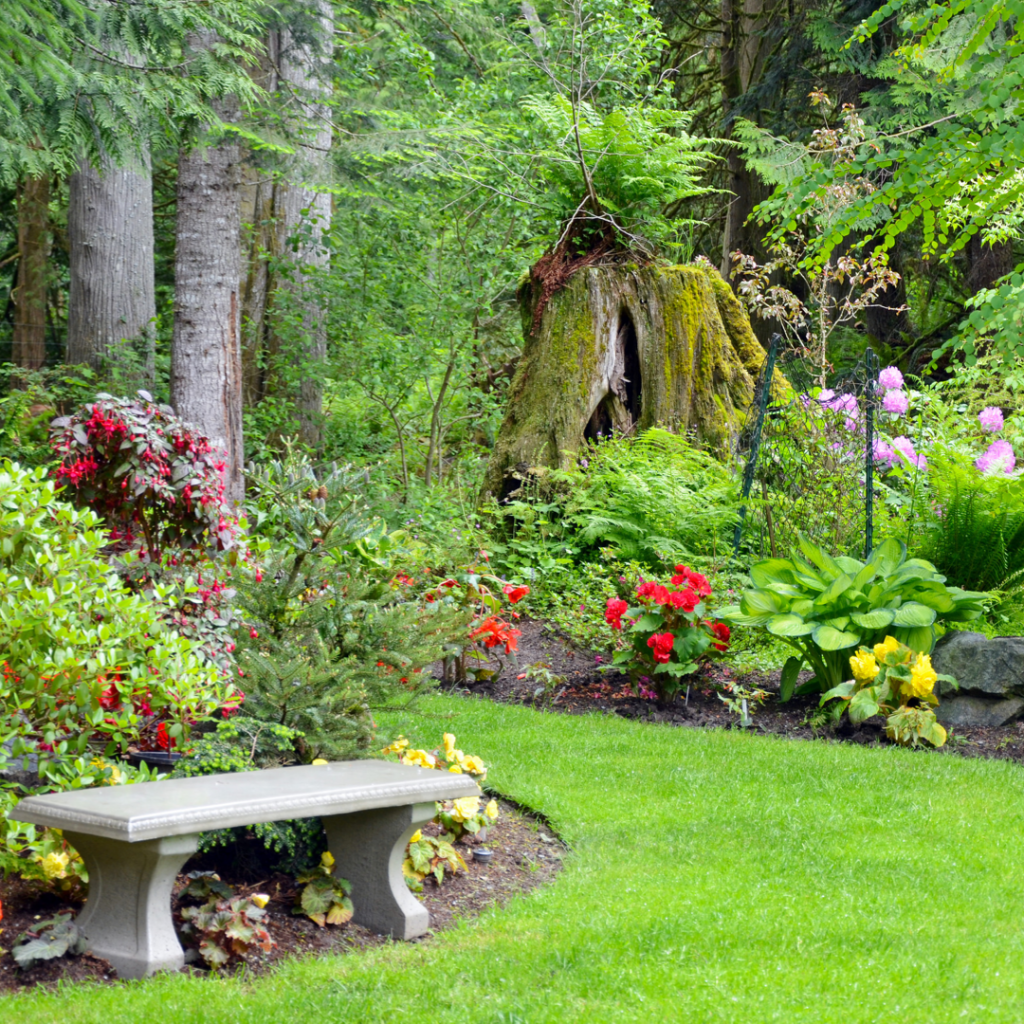
A micro-climate is simply a small area within your yard that has slightly different conditions than the surrounding space. It might be cooler, shadier, less windy, or more protected. When you combine smart shade structures with the right plants, you create “cool zones” that work with the desert instead of against it.
Let’s break it down step by step.
Why Shade Matters So Much in Phoenix
In the desert, sunlight is powerful. Direct afternoon sun can:
- Overheat plant leaves
- Burn tender growth
- Increase water evaporation
- Raise surface temperatures on patios and walls
When soil heats up too much, plant roots struggle. When walls and hard surfaces absorb heat all day, they release it slowly at night. This keeps your yard warmer even after sunset.
That’s why shade isn’t just about comfort, it’s about plant survival.
How to Use Pergolas, Trees, and Shade Sails to Protect Plants and Increase Comfort

Different shade tools serve different purposes. The key is placing them intentionally.
Pergolas: Filtered Shade That Still Feels Open
Pergolas provide partial shade, which is perfect for many desert plants. Instead of blocking all sunlight, they filter it. This reduces the harsh intensity of afternoon rays while still allowing light through.
Pergolas work well over:
- Patios
- Seating areas
- Raised beds
- Container gardens
You can also grow climbing plants along pergolas to add natural cooling. Vines create extra shade and lower temperatures underneath.
When you shade a sitting area, you instantly make it more usable during hot months. When you shade plants, you reduce stress and watering needs.
Trees: Nature’s Cooling System
Trees are one of the most powerful cooling tools in desert landscaping.
A well-placed tree can:
- Lower surrounding air temperature
- Shade walls and windows
- Protect smaller plants underneath
- Reduce heat reflected from concrete
Desert-adapted trees are especially valuable because they provide shade without demanding excessive water once established.
Placing trees on the west or southwest side of your yard is particularly effective. That’s where afternoon sun is strongest. Blocking that intense light can dramatically lower the temperature in your outdoor space.
Think of trees as long-term investments in comfort.
Shade Sails: Flexible and Modern Protection
Shade sails are fabric structures stretched between anchor points. They’re especially useful for small yards, patios, or areas where planting trees isn’t possible.
Benefits of shade sails include:
- Fast installation
- Adjustable placement
- Immediate cooling effect
- Protection for container gardens
They work well over:
- Vegetable beds
- Play areas
- Small patios
- Balcony gardens
In extreme summer heat, even temporary shade can prevent sunburn on sensitive plants.
Creating “Cool Zones” in the Yard and Using Plants to Reduce Heat Load
Now let’s talk about micro-climate design.
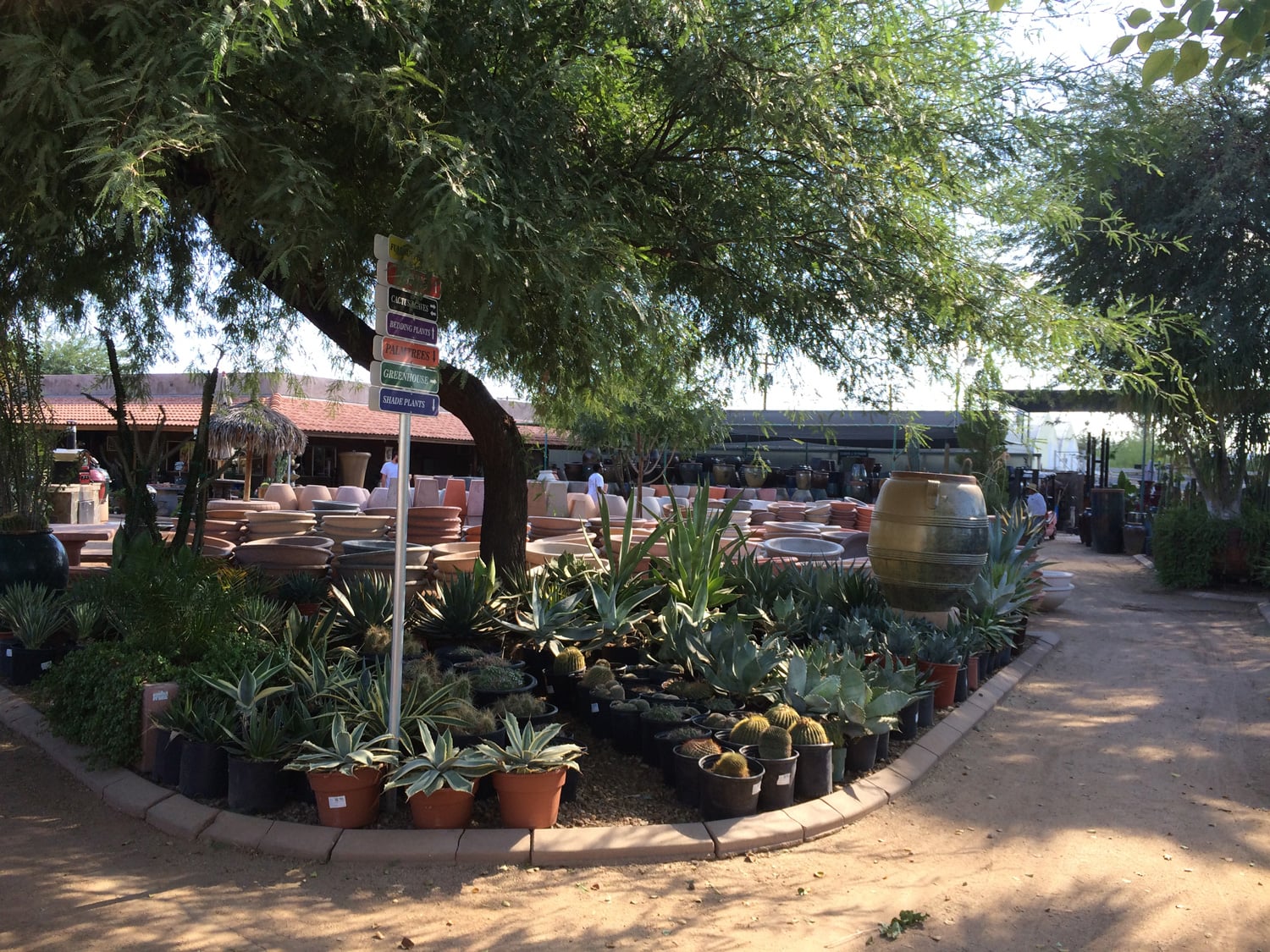
Instead of trying to cool the entire yard at once, focus on creating smaller “cool zones.” These areas feel noticeably more comfortable because of smart layering and plant placement.
Step 1: Start with Shade First
Every cool zone begins with overhead protection. That might be:
- A tree canopy
- A pergola
- A shade sail
Once direct sun is reduced, temperatures drop immediately.
Step 2: Layer Plants for Natural Cooling
Plants don’t just look beautiful, they actually cool the air.
Through a process called transpiration, plants release moisture into the air. This helps reduce surrounding heat. The more plant coverage you have (without overcrowding), the cooler that space feels.
Use a layered approach:
- Taller plants or shrubs in the back
- Medium plants in the middle
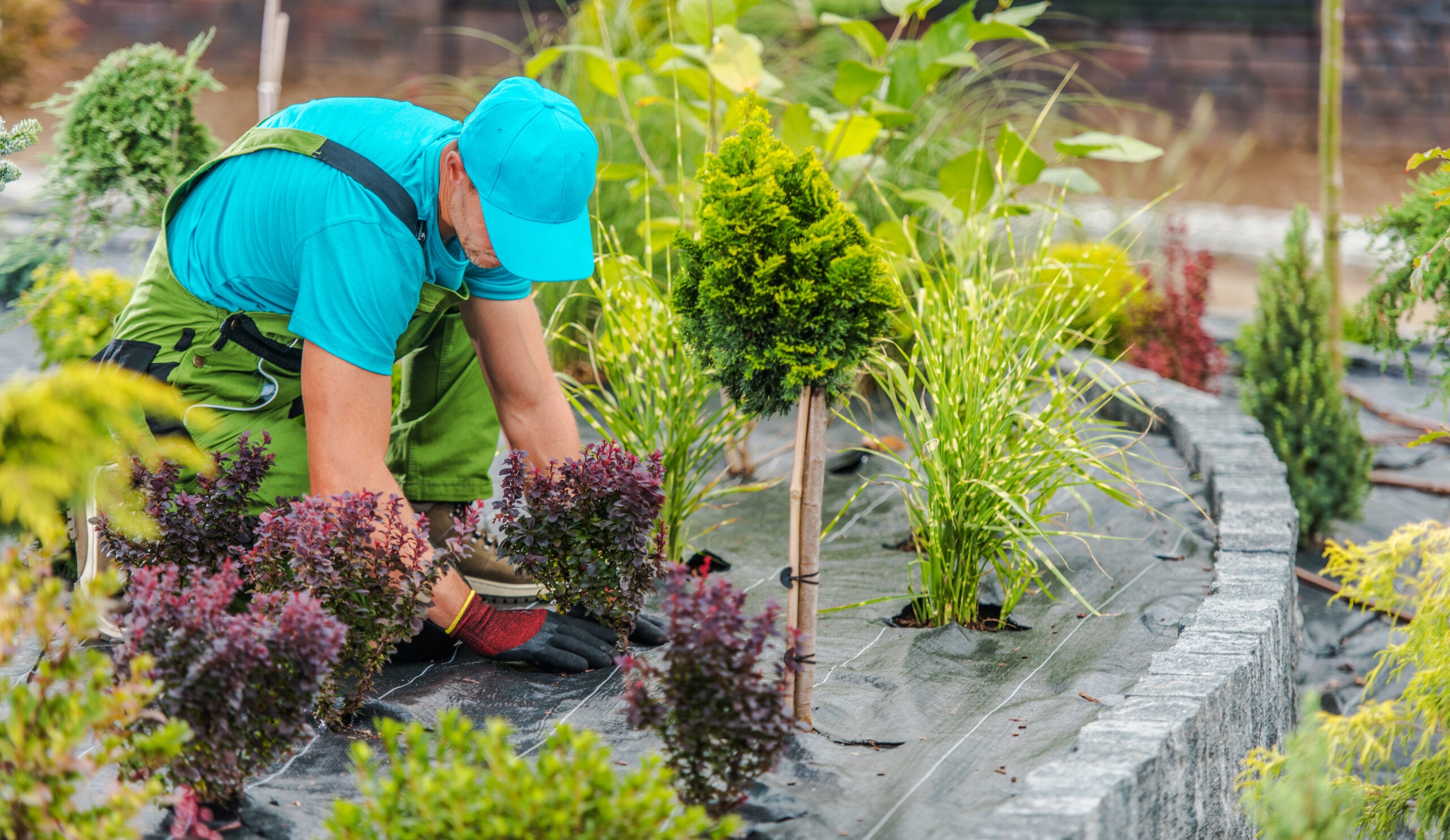
- Groundcovers to protect soil
Groundcovers are especially important. Bare soil heats up quickly. Covered soil stays cooler and holds moisture longer.
Step 3: Reduce Heat Reflection
Hard surfaces like concrete, gravel, and walls absorb heat during the day and radiate it back at night. This increases the overall heat load in your yard.
To reduce this:
- Add plants near walls to block reflected heat
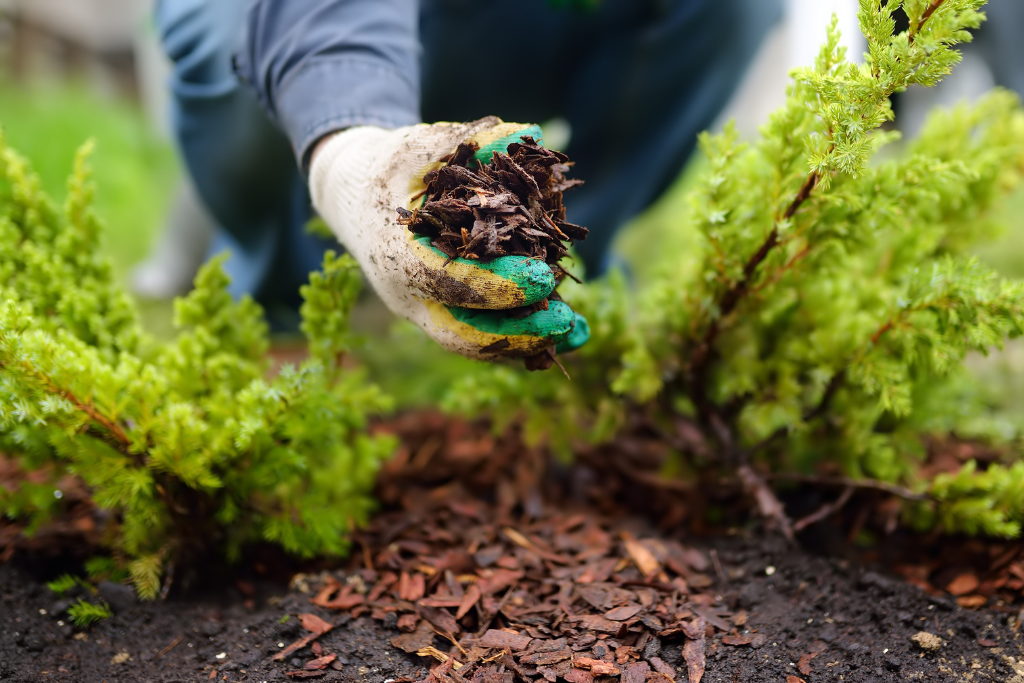
- Use mulch instead of bare soil
- Incorporate lighter-colored materials when possible
Even placing large potted plants near a sunny wall can reduce heat buildup.
Step 4: Protect Sensitive Plants Strategically
Not all plants need full desert sun. Some benefit from morning sun and afternoon shade.
Place more delicate plants:
- Under tree canopies
- Along east-facing walls
- Beneath pergolas
This creates small micro-climates within your yard where different types of plants can thrive.
Why Micro-Climate Design Saves Water
When plants are less stressed by heat:
- They lose less moisture
- They require less frequent watering
- Their roots grow deeper and stronger
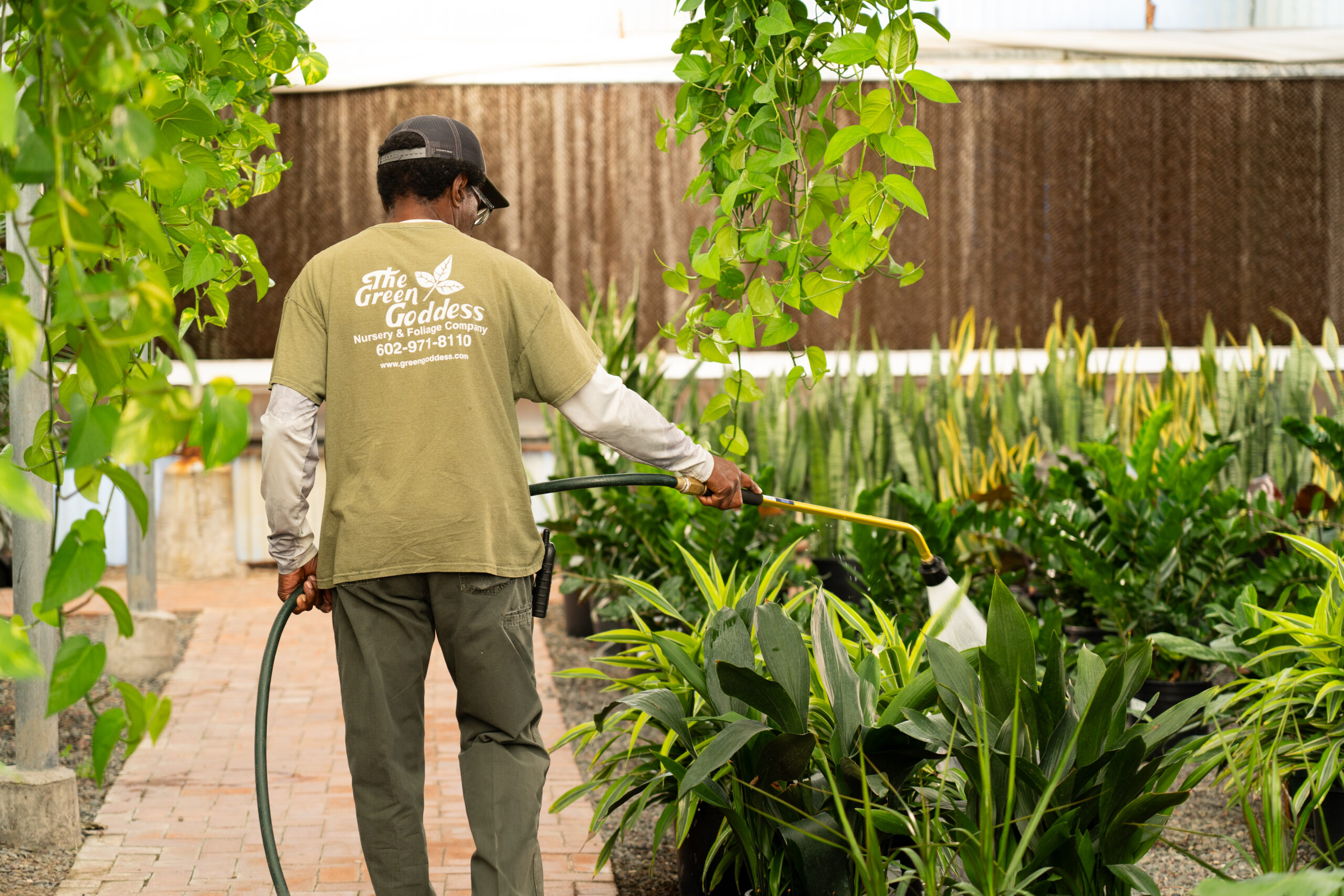
Shaded soil doesn’t dry out as quickly. Cooler air reduces evaporation. Over time, this leads to lower water bills and healthier plants.
Instead of watering more, you design smarter.
Start Small and Observe
You don’t need to redesign your entire yard overnight.
Start by asking:
- Where is the hottest spot in my yard?
- Where do plants struggle the most?
- Where would I like to sit comfortably?
Add one shade element. Plant one tree. Create one small cool zone. Then observe how it changes the space.
Gardening in Phoenix is about adapting, not fighting the climate.
Design for Comfort, Not Just Survival
A beautiful desert yard isn’t just about choosing drought-tolerant plants. It’s about creating balance between sun and shade. When you combine pergolas, trees, shade sails, and thoughtful plant layering, your yard becomes cooler, more comfortable, and more enjoyable.
If you’re ready to design smarter shade, choose the right plants, or build your own cool zones, visit the Green Goddess Nursery. Our team can help you select desert-adapted trees, shrubs, and containers that support micro-climate design and long-term success.
Your yard doesn’t have to feel like the desert. With the right strategy, it can feel like your own shaded retreat.