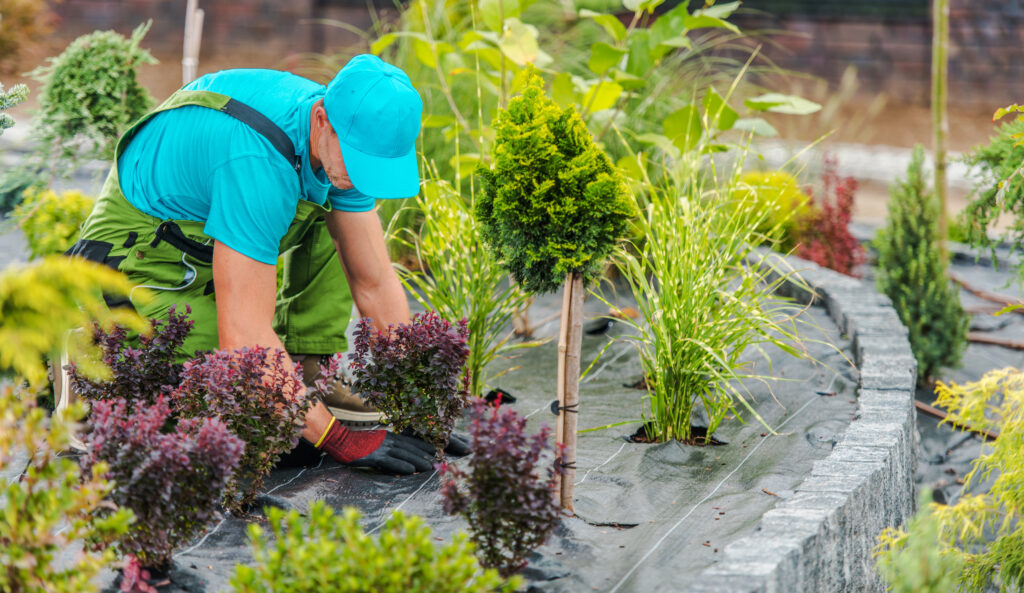
A lot of people picture a low maintenance yard as something plain or empty.
A few rocks, maybe a cactus, and that’s it.
But a good desert garden doesn’t have to look lifeless to be easy to care for.
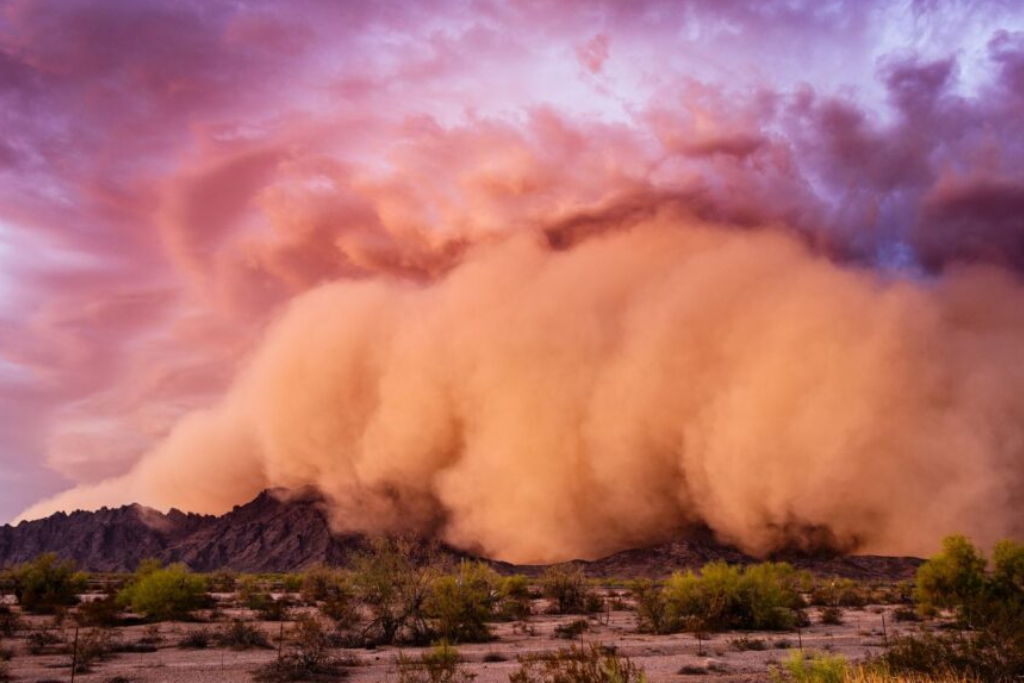
In Phoenix, low maintenance usually means something different. It means building a yard that can actually handle the heat without turning into a constant project every summer.
Because once June shows up, this is where most plants struggle.
The sun gets intense fast, container plants dry out in a day, and anything that needs constant attention becomes hard to keep up with.
We see this all the time. People spend spring planting things they love, only to spend summer trying to keep everything alive.A low maintenance desert garden works with the climate instead of fighting it.
And when it’s planned well, it still feels full, colorful, and alive.
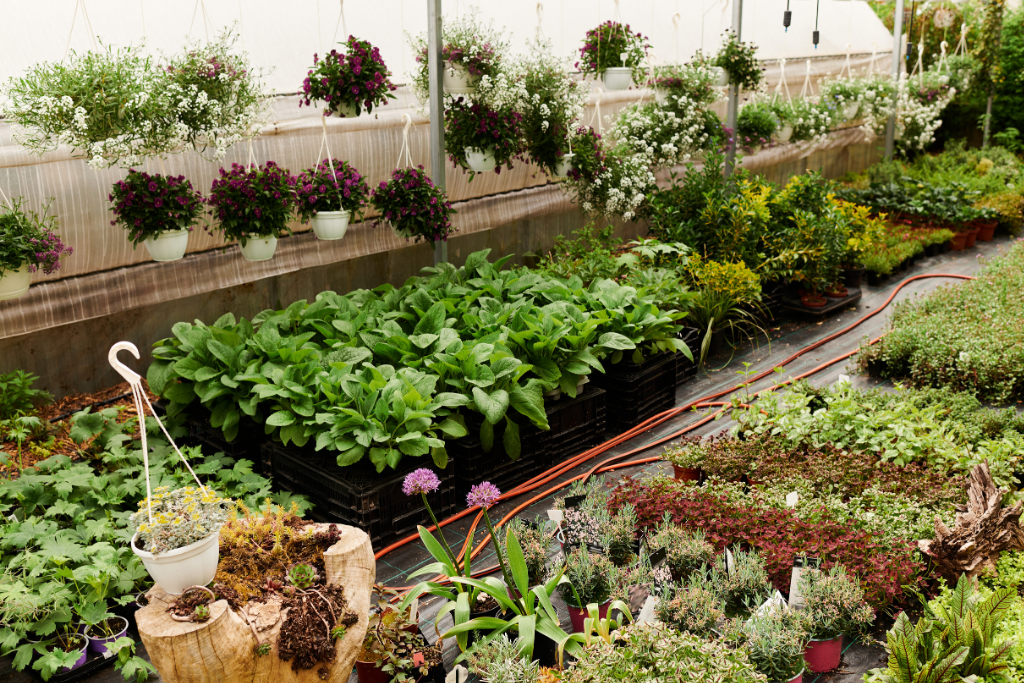
Plant Choices That Require Minimal Care
The biggest difference between a stressed garden and an easy one usually comes down to plant selection.
A lot of people choose plants based on how they look in spring.
The problem is, spring in Phoenix is forgiving. Summer isn’t.
Here are some plants that tend to hold up much better once the real heat kicks in:
Lantana
This is one of the easiest flowering plants for Phoenix landscapes.
It handles intense sun, doesn’t need constant watering once established, and blooms through the hotter months when a lot of other plants slow down.
You’ll notice butterflies love it too.
Texas sage
If you want something that can take reflected heat near walls or driveways, this is a solid choice.
It stays tough through summer and brings soft purple blooms after humidity or rain.
Red yucca
Despite the name, it’s not actually a true yucca.
It gives tall coral colored flower spikes that hummingbirds go crazy for, and it handles dry conditions extremely well.
Agave and cacti
These are some of the lowest maintenance plants you can add, especially in areas with full afternoon sun.
Once established, many need very little water.
Just give them enough space. A lot of people underestimate how large some varieties get over time.
Bougainvillea
This one surprises people.
Once established, bougainvillea actually loves the heat.
It thrives in full sun and gives huge bursts of color through summer with less water than many tropical looking plants.
It does best when people stop babying it.
Designing for Long Term Sustainability
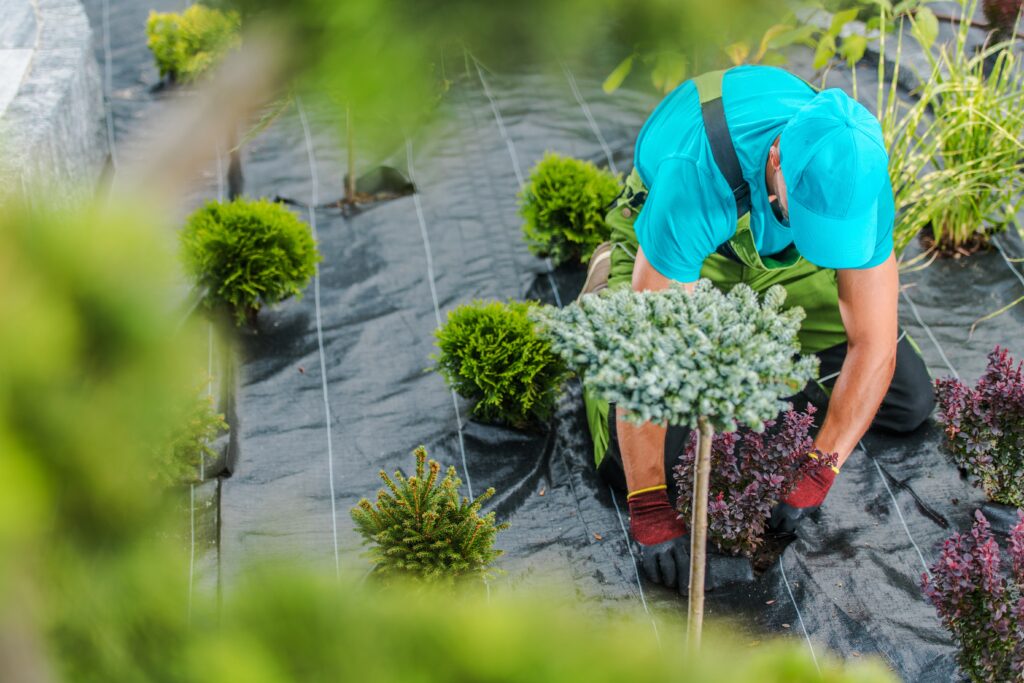
Plant choice matters, but layout matters too.
Even heat tolerant plants can struggle if the space around them isn’t working in their favor.This is usually the point where a yard starts getting easier to manage instead of harder.
Group plants by water needs
One of the most common problems we see is everything getting watered the same way.
Desert plants mixed with thirstier plants usually means one side suffers.
Either the drought tolerant plants get overwatered, or the others dry out too fast.
Keeping plants with similar water needs together makes irrigation simpler and helps avoid stress later.
Think about afternoon sun
Morning sun in Phoenix is manageable. Afternoon sun is a completely different story, especially near block walls, gravel, patios, and driveways that reflect heat back onto plants.
This is why placement matters so much.
Plants that can handle softer morning exposure should go in the east facing areas when possible. Tougher desert plants can take the harsher western exposure.
This one adjustment saves people a lot of frustration during summer.
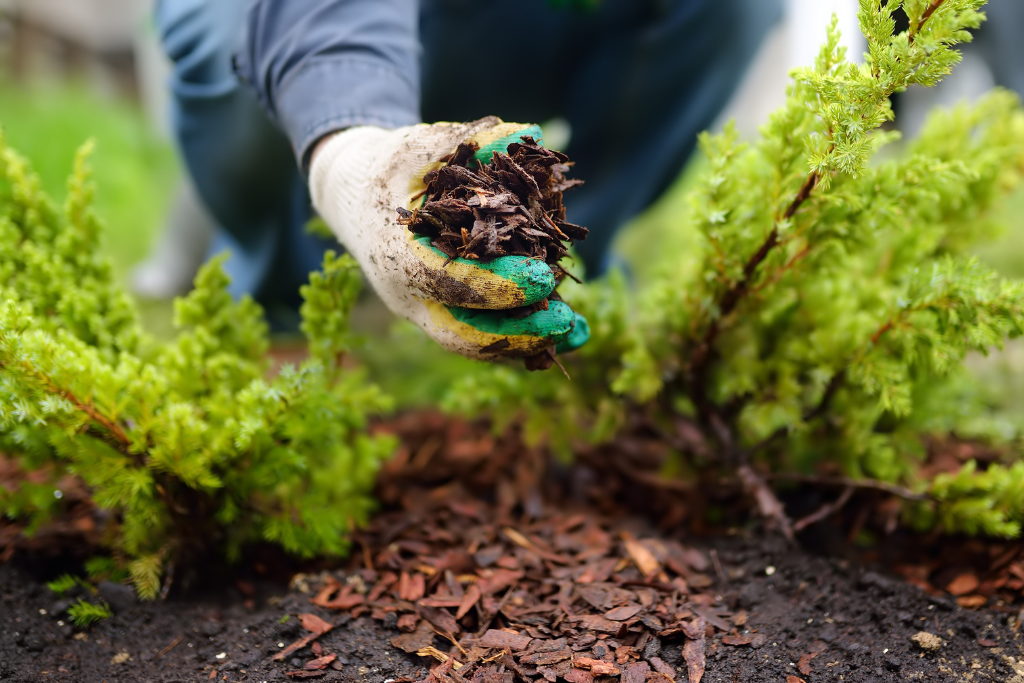
Use mulch to protect the soil
Bare soil heats up fast here.
By the middle of summer, the top layer can feel almost hot enough to burn your hand. That heat stresses roots quickly, especially for younger plants.
Mulch helps slow moisture loss and keeps soil temperatures more stable.
Wood chip mulch works especially well around shrubs, flowering plants, and trees.
You’ll usually notice the difference pretty quickly in how long the soil stays moist after watering.
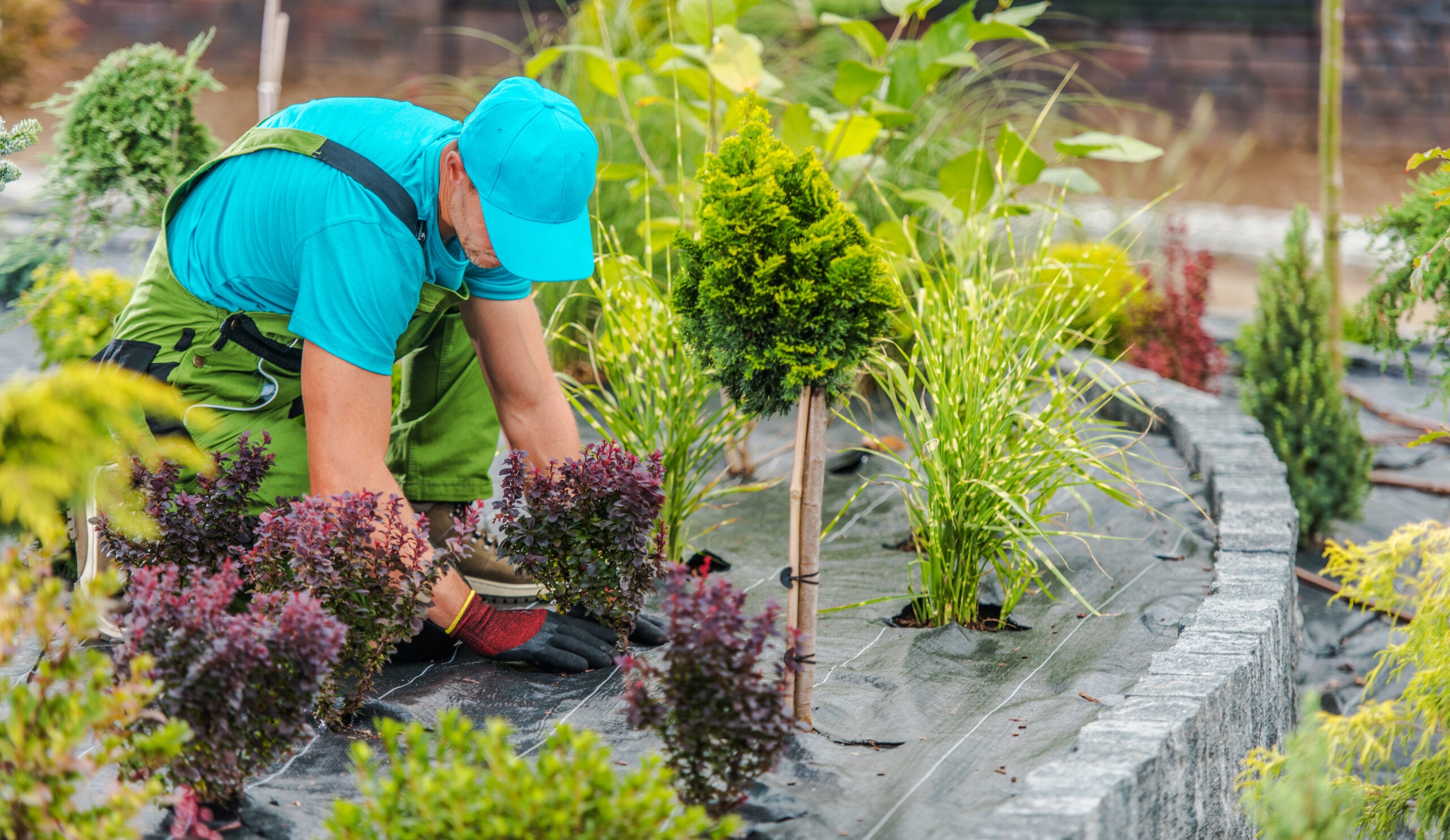
Leave room for plants to grow
This is one a lot of people regret later.
Small nursery plants don’t stay small for long in the right conditions.
When plants get overcrowded, airflow drops, heat gets trapped, and maintenance becomes harder.
A yard can look a little spaced out at first and still end up full within a couple of growing seasons.
Patience pays off here.
Why Low Maintenance Gardens Usually Last Longer
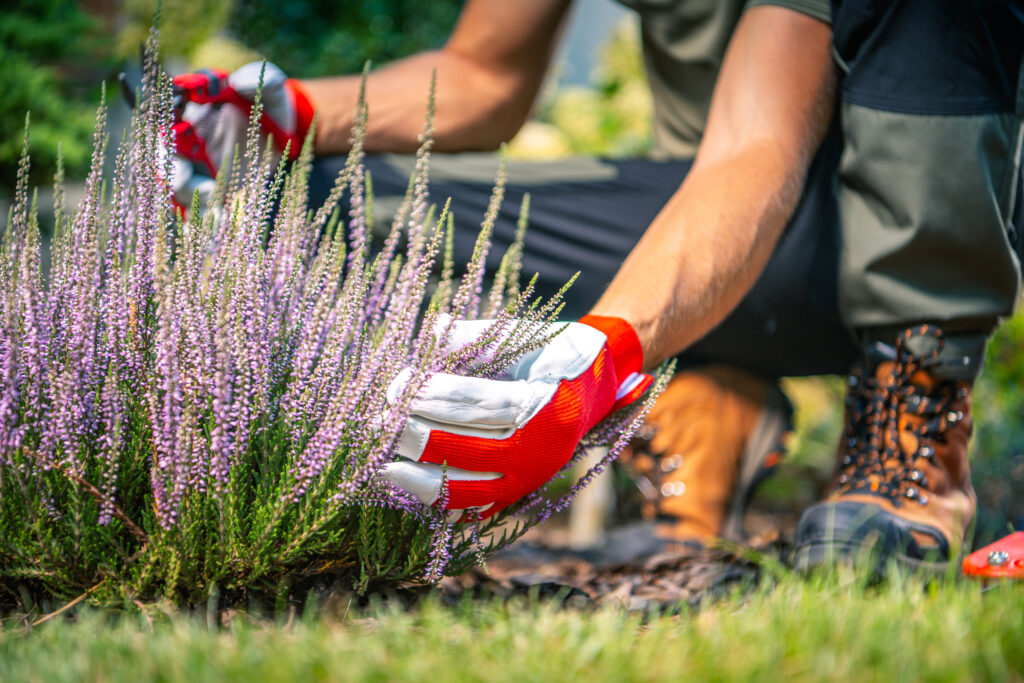
Plants that constantly struggle need more water, more pruning, and more replacements.
Over time, that gets expensive and exhausting.
A sustainable desert garden tends to hold up better because the plants are already adapted to the conditions around them.
They aren’t fighting the climate every day.
You’ll usually spend less time fixing problems and more time actually enjoying the space.
And during Phoenix summers, that makes a huge difference.
Start Before Summer Hits
The best time to build a desert garden is before extreme heat arrives.
Roots have time to settle in, plants adjust better, and you avoid trying to establish everything during triple digit temperatures.
Even small changes now can make summer much easier on both you and your plants.
If you’re trying to figure out which plants work best for your yard, or you want help designing a lower maintenance space that still looks beautiful, visit The Green Goddess.
We’ll help you choose plants that can actually handle Phoenix summers and show you how to set them up for long term success.
4139 E. Bell Road, Phoenix
Open 7 days a week 🌵