Spring in Phoenix gives you a false sense of security.
Everything looks good. Your plants are growing, your soil still has some moisture, and watering doesn’t feel like a full-time job yet.
Then summer shows up, and suddenly your soil feels like it’s baking from the inside out.
This is where most plants start to struggle. Not because they’re weak, but because the ground around them gets way hotter than people expect.
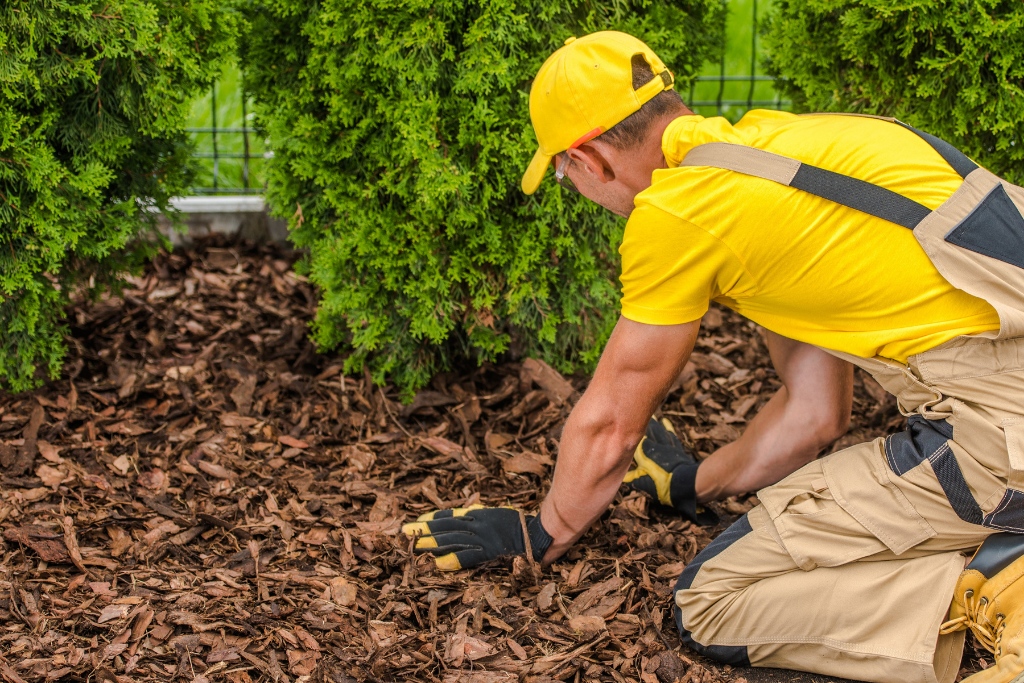
Mulch is one of the easiest ways to fix that. It’s not flashy, and a lot of people skip it, but once you see what it does, you won’t want to garden without it.
Best Mulch Types for Desert Climates
Not all mulch works the same here. What works in cooler places doesn’t always hold up in Phoenix heat.
We see this all the time. People use the wrong type, and it either breaks down too fast or doesn’t protect the soil the way they need.
Here are the ones that actually make a difference in desert conditions:
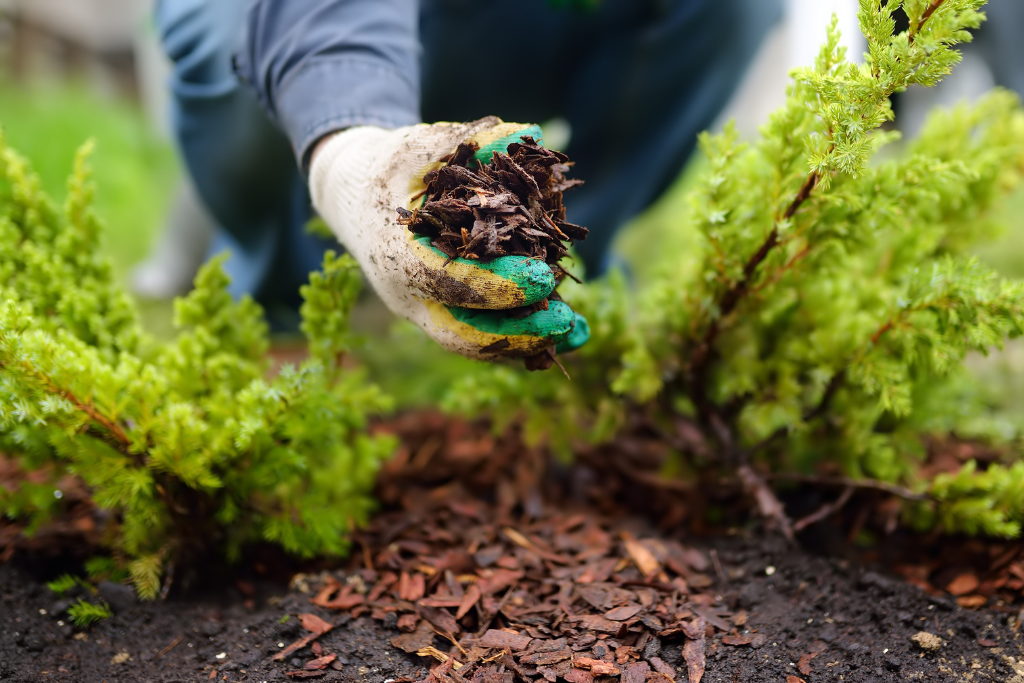
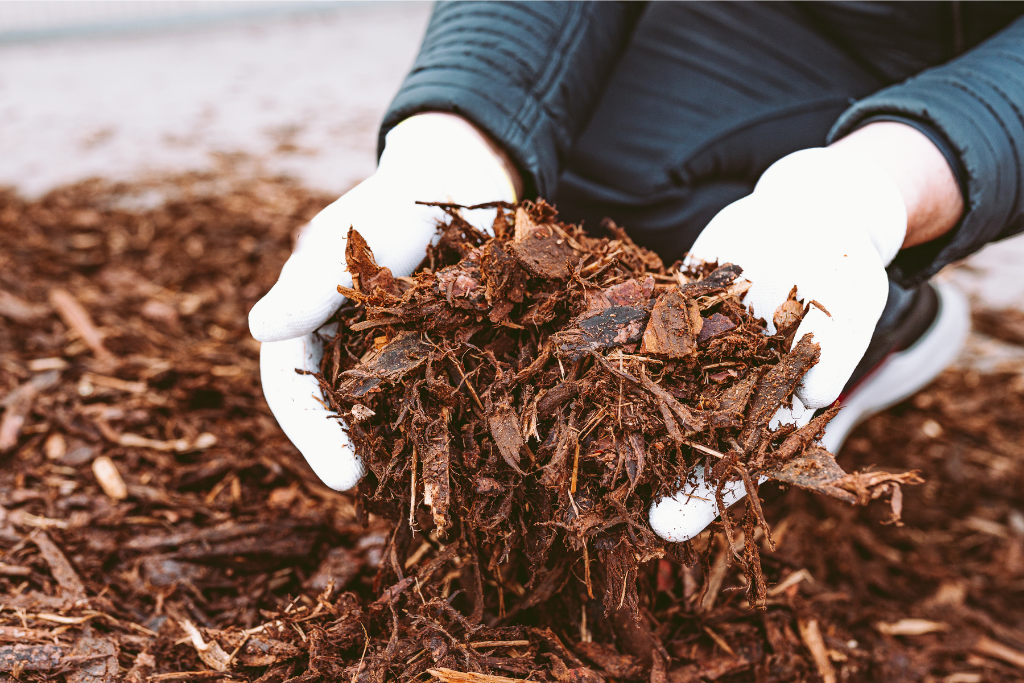
Wood chips or bark mulch
This is one of the most reliable options. It breaks down slowly, helps hold moisture, and gives good insulation against the heat.
It’s especially helpful in areas that get hit with full afternoon sun or near block walls that reflect heat back onto your plants.
Shredded mulch
This type packs together a little more, which helps it stay in place during wind or heavy watering.
If you’ve ever watered your yard and watched your mulch float away, this is a better option.
Compost as mulch
A lot of people don’t realize you can use compost on top of the soil.
It feeds your plants while also helping the soil hold moisture. Just keep in mind, it breaks down faster, so you’ll need to refresh it more often.
Gravel with a catch
Gravel is common in desert landscaping, but it doesn’t cool the soil like organic mulch. It tends to hold heat, especially in full sun. It works best around cacti and desert-adapted plants. For flowers, vegetables, and softer plants, organic mulch usually performs better.
You can still use it, but it works best around cacti and desert-adapted plants that can handle higher soil temperatures. For flowers, vegetables, and softer plants, organic mulch is usually the better option.
How Mulch Reduces Water Bills and Heat Stress
This is when you really start to see the difference.
A lot of people think they need to water more during summer.
Most people run into this. They increase how often they water, but their plants still look stressed.
The issue usually isn’t the amount of water. It’s how fast that water is disappearing.
Mulch slows down how fast moisture evaporates
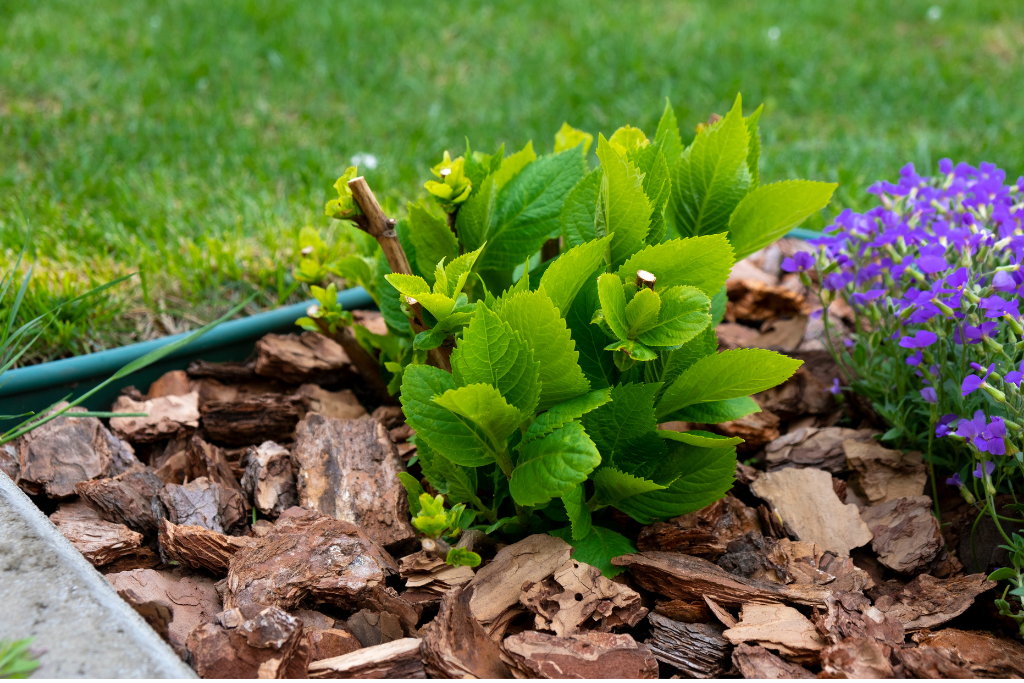
When you add a layer of mulch, you’re creating a barrier between the sun and your soil.
Instead of water evaporating within hours, it stays around longer where your plant roots can actually use it.
You’ll notice this pretty quickly.
Without mulch, soil dries out fast, sometimes by early afternoon.
With mulch, that same soil can stay damp well into the next day.
It keeps soil temperatures lower
Phoenix sun doesn’t just hit your plants. It heats up the soil around them.
And once the soil gets too hot, roots start to struggle.
Plants basically stop growing and just try to hang on.
Mulch helps regulate that temperature.
It acts like insulation, keeping the soil from heating up as fast during the day and cooling down more gradually at night.
This is especially important in container plants, areas near block walls, and spots with full afternoon sun.
It helps roots grow deeper
When soil stays moist longer, roots don’t have to stay near the surface searching for water.
They grow deeper, where temperatures are more stable.
Deeper roots mean stronger plants, especially once we hit those long stretches of 100 plus degree days.
It cuts down how often you need to water
This is where you start to see a difference in your water bill..
You’re not watering as often because the moisture you already put in the soil is lasting longer.
It’s a simple change, but over a full summer, it adds up.
How to Apply Mulch the Right Way
This part matters more than people think.
We see a lot of mulch being used, but not always in a way that actually helps the plant.
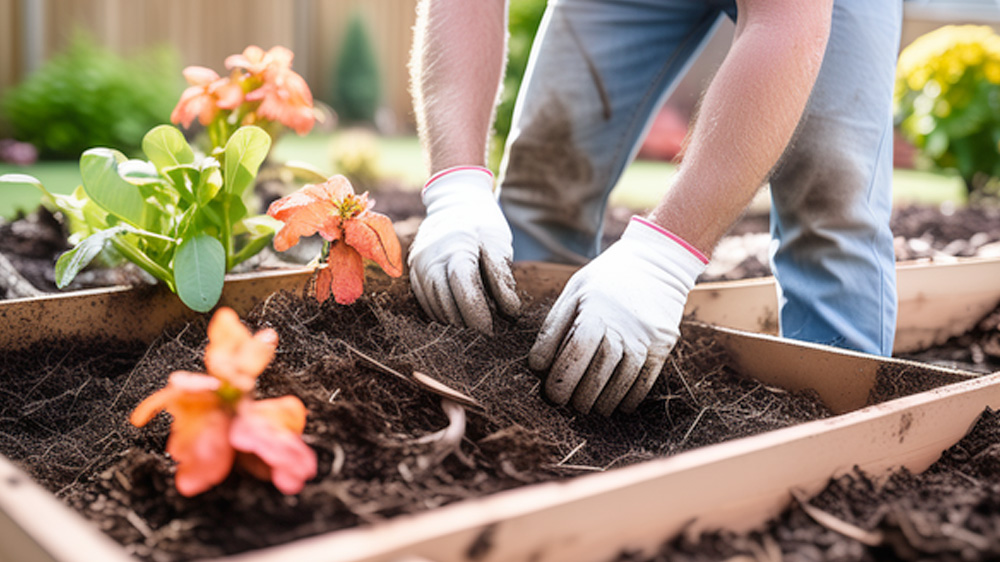
Keep it a few inches thick
Too thin, and it won’t protect much.
Aim for about 2 to 3 inches so it can actually block heat and hold moisture.
Don’t pile it against the plant
This is a big one.
Leave a little space around the base so you don’t trap moisture against the stem, which can lead to rot.
Refresh when needed
Organic mulch breaks down over time, especially in our heat.
If it starts looking thin or faded, it’s time to top it off.
What Happens If You Skip It
Plants needing constant watering
Leaves burning sooner
Roots staying shallow and weaker
It turns into a cycle where you’re always trying to fix something.
With mulch in place, things feel more stable.
Your soil holds up better, your plants stay hydrated longer, and you’re not constantly chasing the heat.
A simple step that makes a noticeable difference
Mulch isn’t complicated, but it’s one of those things that makes everything else work better.
You’ll notice your garden holds moisture longer, your plants handle the heat with less stress, and your watering routine starts to feel more manageable.
If you’re looking at your yard and wondering why things struggled last summer, this is a good place to start.
If you’re not sure which mulch fits your plants or your space, come by The Green Goddess.
We’ll help you choose the right type and show you exactly how to use it for your setup.
4139 E. Bell Road, Phoenix
Open 7 days a week 🌿