By the time monsoon season rolls into Phoenix, most gardens already look tired.
Plants have spent weeks dealing with dry air, blazing afternoon sun, hot gravel, and soil that dries out almost as fast as you water it. Then suddenly, everything changes.
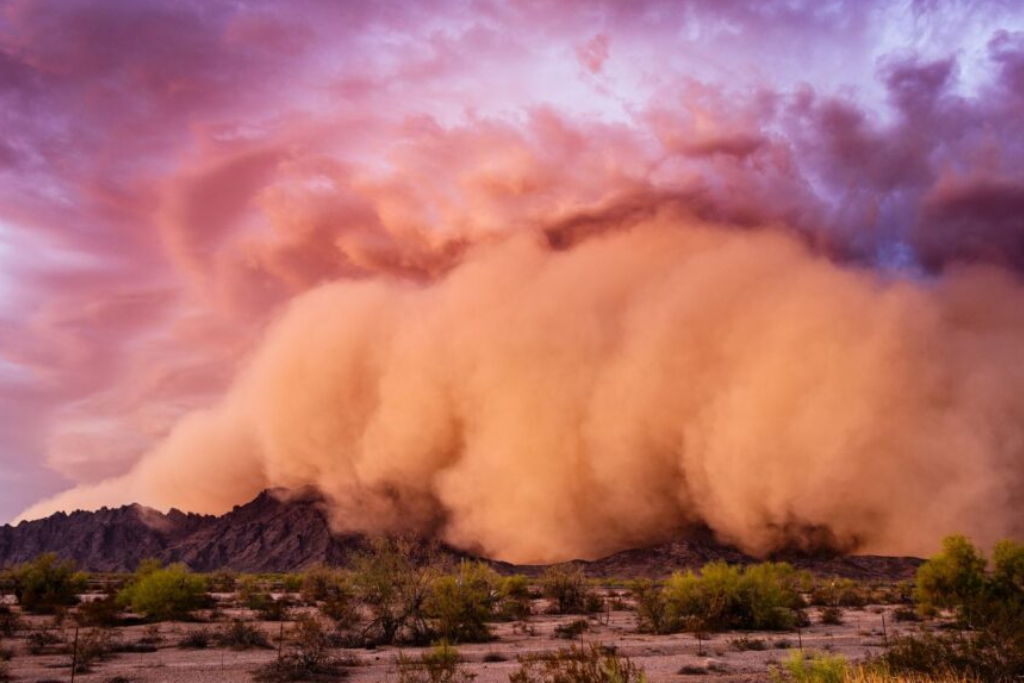
The air gets heavy. Humidity moves in. Storm clouds build fast. Winds pick up out of nowhere.
And while people usually focus on the rain, the bigger shift is what happens to your plants and soil when the desert goes from extremely dry to suddenly humid.
This is where a lot of gardens start acting differently almost overnight.
We see this all the time. Plants that looked perfectly fine in June suddenly yellow out in July. Soil starts holding water longer than expected. Some plants explode with growth while others begin struggling almost immediately.
Monsoon season changes how your whole yard behaves.
What Sudden Humidity Changes Do to Plant Health
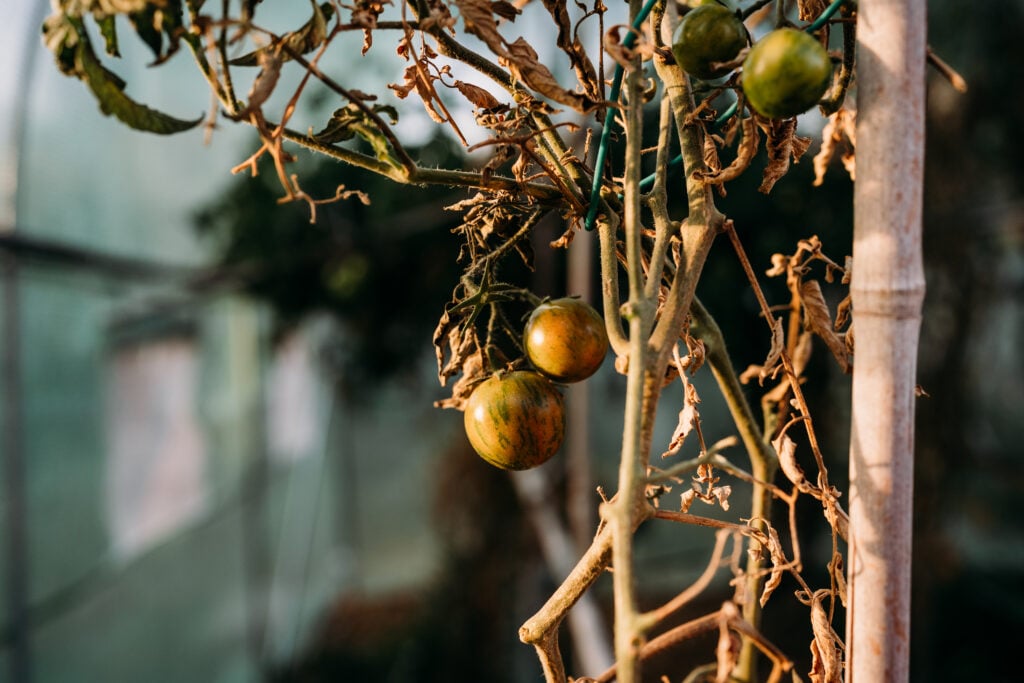
Phoenix plants spend most of summer adapting to dry conditions.
Their roots, leaves, and watering habits all adjust around low humidity.
Then monsoon season shows up and flips the environment completely.
This is where things start getting unpredictable.
Soil stays wet longer
Earlier in summer, you can water deeply in the morning and the soil may still feel dry by afternoon.
During monsoon season, that same watering schedule can suddenly become too much.
Humidity slows evaporation down. The soil stays damp longer, especially in shaded areas or around heavy mulch.
A lot of people don’t notice this shift right away. They continue watering the same amount, and roots start sitting in moisture too long.
This is usually when yellow leaves, root stress, and fungus problems begin showing up.
Container plants struggle with this especially fast because the soil can swing from bone dry to soggy within a few days.
Some plants grow like crazy
You’ll notice certain plants absolutely love monsoon season.
Tropical looking plants, vines, and fast growers usually respond to the extra humidity with sudden growth spurts.
Bougainvillea, lantana, and many shrubs start looking fuller almost immediately.
This surprises a lot of people because the temperatures are still high.
The difference is the added moisture in the air gives plants a break from constantly trying to hold onto water.
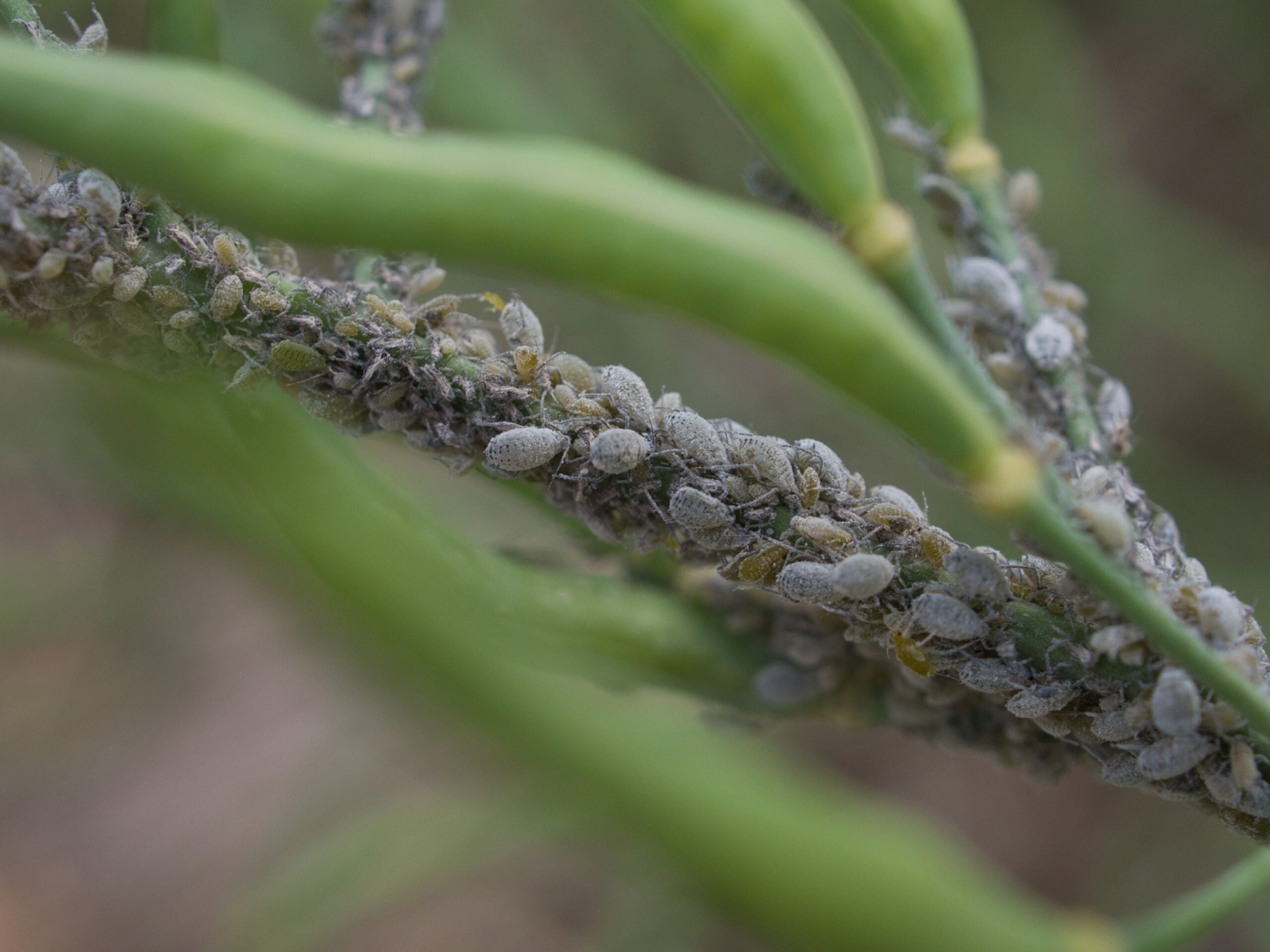
Fungal issues can show up fast
This is something many Phoenix gardeners aren’t used to dealing with during dry summer weather.
Once humidity rises, fungal problems become much more common.
You may start noticing:
Powdery white spots on leaves
Mushy stems
Yellowing foliage
Black spotting
Plants looking wilted even when the soil is wet
Poor airflow usually makes this worse.
This happens a lot in overcrowded gardens or areas where plants were packed tightly together during spring growth.
Preparing Soil and Drainage Before Storms Hit
Monsoon storms don’t always arrive gently here.
One minute it’s calm, and the next minute water is pouring down sideways while your yard floods in spots you didn’t even realize had drainage issues.
This is why preparing the soil ahead of time matters so much.
Check where water collects
Walk your yard after watering or after a summer storm.
You’ll quickly notice where water tends to sit.
Low spots near patios, walls, or compacted soil usually become trouble areas during monsoon season.
Standing water stresses roots fast, especially for desert plants that prefer quick drainage.
If certain spots stay soggy for hours, it’s worth adjusting them before heavier storms arrive.
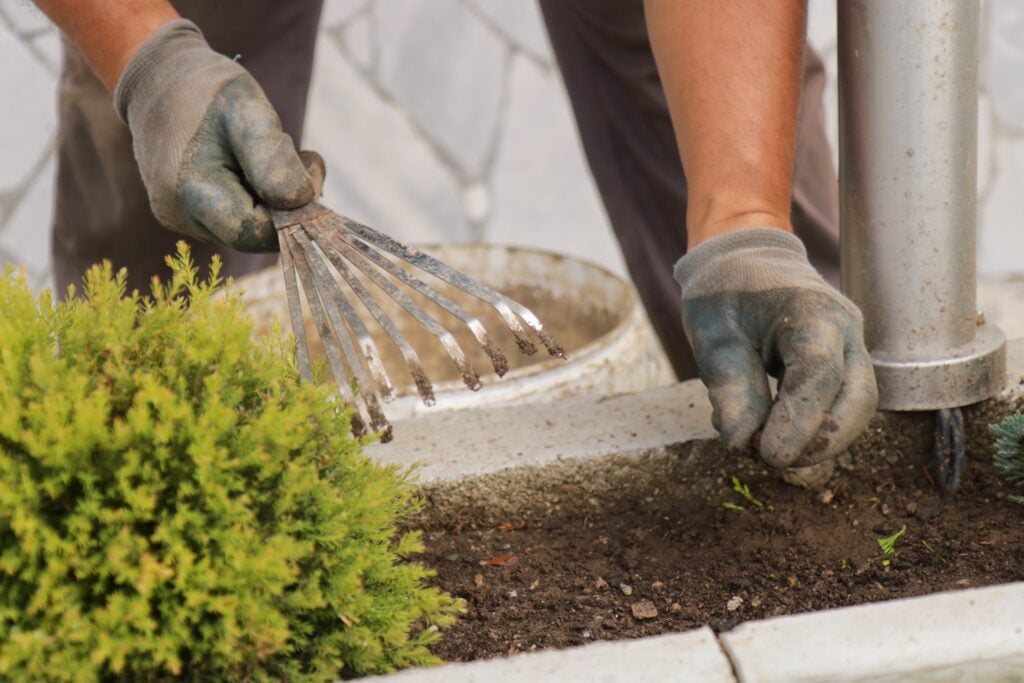
Loosen compacted soil
Phoenix soil gets extremely hard during dry heat.
Once rain hits compacted ground, water often runs off instead of soaking in properly.
This is why some yards flood even after short storms.
Loosening the top layer of soil and adding compost helps improve drainage and allows water to absorb more evenly.
You don’t need to completely redo your yard. Even improving a few problem areas can make a huge difference once monsoon rains start hitting regularly.
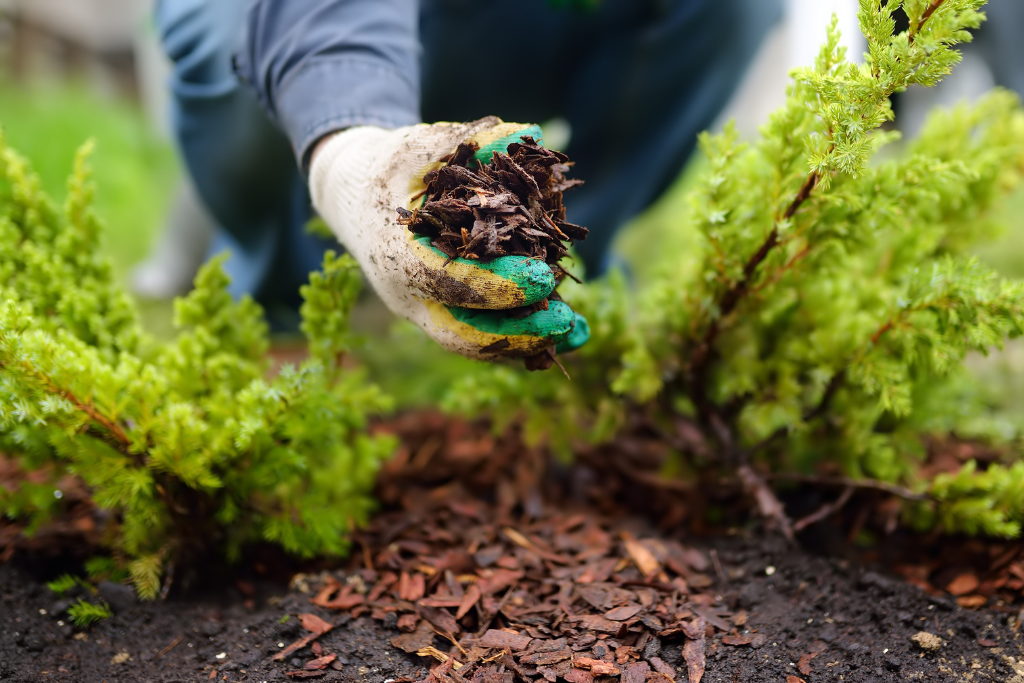
Refresh mulch carefully
Mulch still helps during monsoon season, but this is where balance matters.
Too little mulch and the soil heats up quickly again once storms pass.
Too much mulch can trap excess moisture around roots when humidity stays high.
A moderate layer usually works best this time of year.
And if mulch is piled directly against plant stems, pull it back slightly. Wet mulch pressed against stems during humid weather can lead to rot faster than people expect.
Support weak branches before storms arrive
Monsoon winds can get aggressive fast.
We see broken branches every year from plants that looked perfectly fine the day before.
Fast growing summer plants are especially vulnerable because their new growth is softer and heavier.
Check trees, tall shrubs, and climbing plants before storm season gets fully underway.
Sometimes a little support now saves an entire plant later.
Your Garden Behaves Differently During Monsoon Season
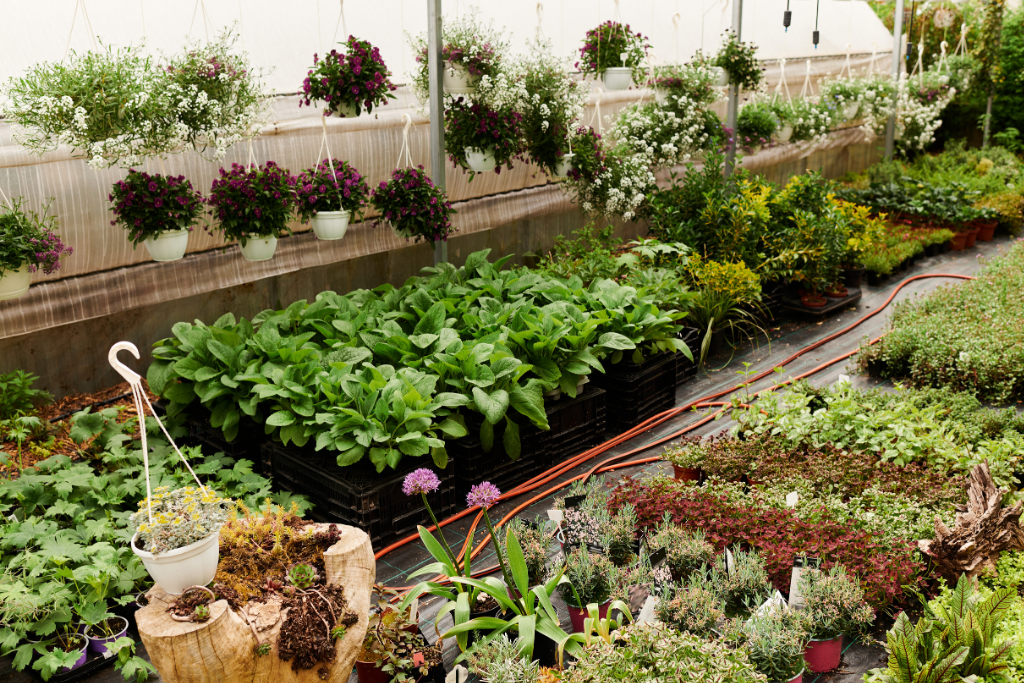
This is the part many people underestimate.
The same yard that struggled with dryness in June can suddenly hold too much moisture in July.
Water schedules change. Soil conditions shift. Plant growth speeds up or slows down depending on the variety.
Phoenix gardening moves fast this time of year.
The gardeners who usually have the healthiest summer yards are the ones paying attention week by week instead of sticking to the exact same routine all season long.
Prepare Before the Storms Arrive
Monsoon season can be rough on gardens that aren’t ready for the shift.
But when your soil drains properly, your plants have airflow, and your watering schedule adjusts with the humidity, your garden handles storms much better.
And honestly, some plants look their best during monsoon season once everything is balanced correctly.
If you’re not sure whether your yard is ready for storm season, visit The Green Goddess.
We’ll help you choose the right soil amendments, mulch, and plants that can handle both Phoenix heat and monsoon swings without falling apart halfway through summer.4139 E. Bell Road, Phoenix
Open 7 days a week 🌿