Easy Winter Tips for Desert Gardens
People usually picture Phoenix as warm and sunny, but winter can bring surprisingly chilly nights. When temperatures drop fast, even for just a few hours, frost can burn leaves, damage fruit, and stress plants for months. Since many desert plants aren’t used to sudden cold, preparing your garden for winter is one of the best ways to keep it healthy and thriving.
The good news is that frost protection is simple once you understand what different plants need. With the right covers, smart watering, and a little planning, your garden can stay safe through the coldest nights. By taking small steps before the first freeze arrives, you’ll save yourself time, money, and worry later on. Let’s walk through how to protect your most sensitive plants and which materials work best on cold nights.
How to Protect Succulents, Citrus, Tropical Plants, and Young Ornamentals From Freeze Damage

Every plant reacts differently to frost. Some handle cold well, while others can be damaged even by a light freeze. Understanding their needs helps you protect them properly and strengthens your garden overall.
Succulents
Succulents store water in their leaves, which makes them vulnerable when temperatures drop below freezing. Ice crystals can form inside the leaves and cause them to turn mushy. Protect them by:
- Covering plants at night with frost cloth or a light blanket.
- Keeping soil slightly dry during cold spells.
- Using walls, rocks, or pots to hold extra warmth.
- Moving potted succulents inside on very cold nights.
These simple steps make a major difference in whether a succulent survives winter in good condition.
Citrus Trees
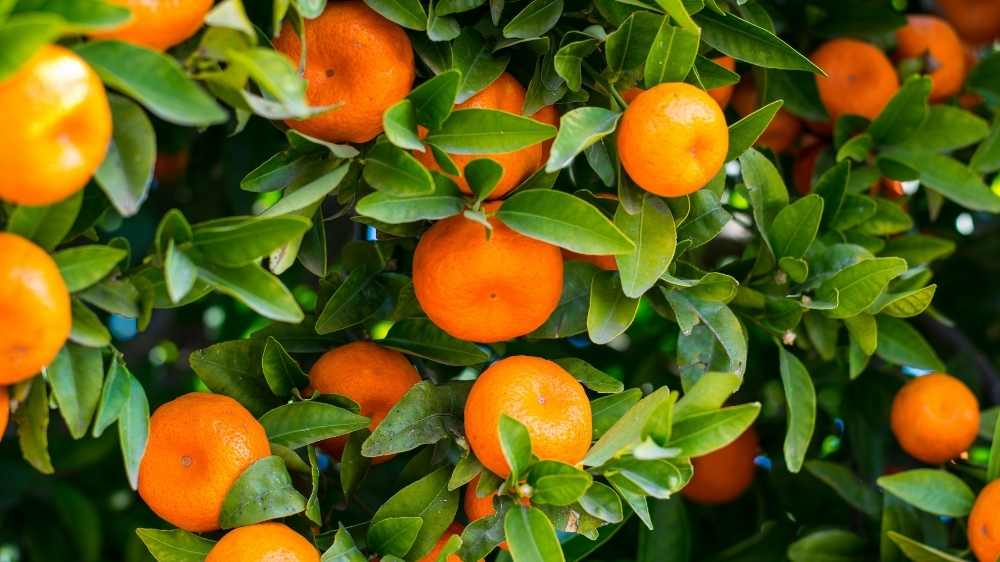
Young citrus trees, especially limes, are sensitive to frost. Cold can damage the canopy, fruit, and trunk. Keep citrus safe by:
- Wrapping the trunk with burlap or cloth.
- Covering the canopy with frost cloth that reaches the ground.
- Adding old-style holiday lights under the cover for warmth.
- Watering the soil before a freeze to help it hold heat.
A little extra care in winter helps citrus trees stay productive and strong in the growing season.
Tropical Plants
Tropical plants like hibiscus, bougainvillea, and bird of paradise can look badly damaged after frost but often recover. Protect them by:
- Covering the entire plant so warmth stays trapped.
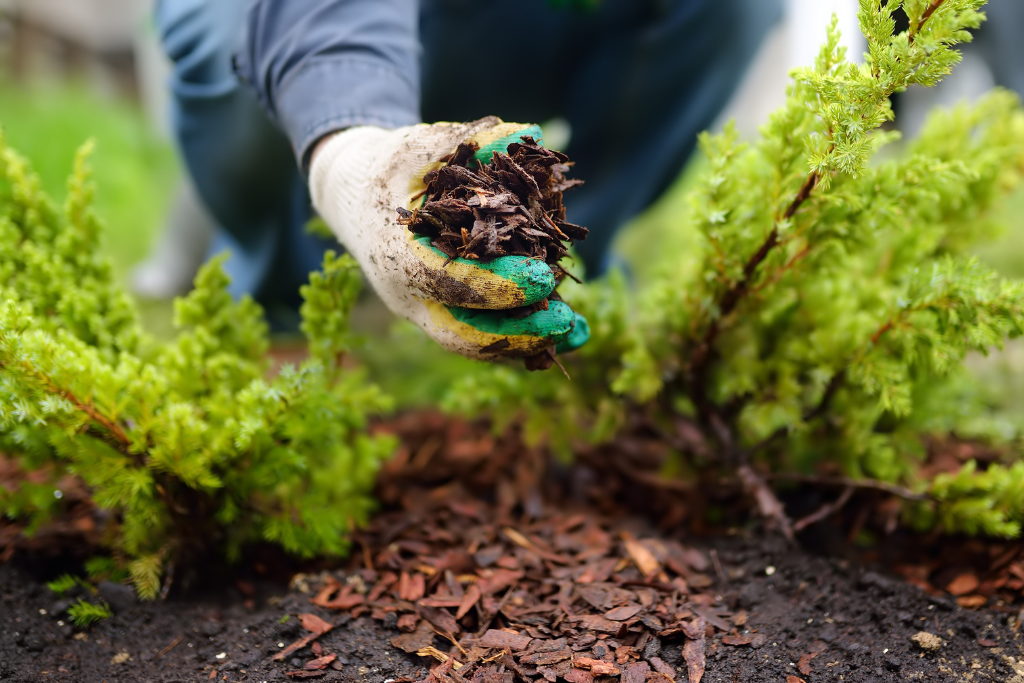
- Adding mulch around the base.
- Moving pots indoors whenever possible.
- Grouping plants together for shared warmth.
Even if they lose leaves, most tropicals bounce back beautifully in spring once warmer temperatures return.
Young Ornamentals
Recently planted ornamentals have shallow roots and tender stems, making them more vulnerable to cold. Help them survive by:
- Covering them at night with frost cloth or blankets.
- Mulching 3–4 inches deep around the base.
- Avoiding new plantings before a cold front.
- Wetting soil lightly before freezing nights.
This early protection encourages healthier growth in the next season.
Best Materials for Covering and Insulating Plants on Cold Nights
Choosing the right materials is just as important as covering your plants. Some protect well, while others trap moisture or make frost damage worse. Using the correct materials gives your plants the best chance of staying warm and healthy.
Frost Cloth
This is the best choice for frost protection. It traps heat while giving plants air and light. It’s lightweight, breathable, and safe for repeated use.
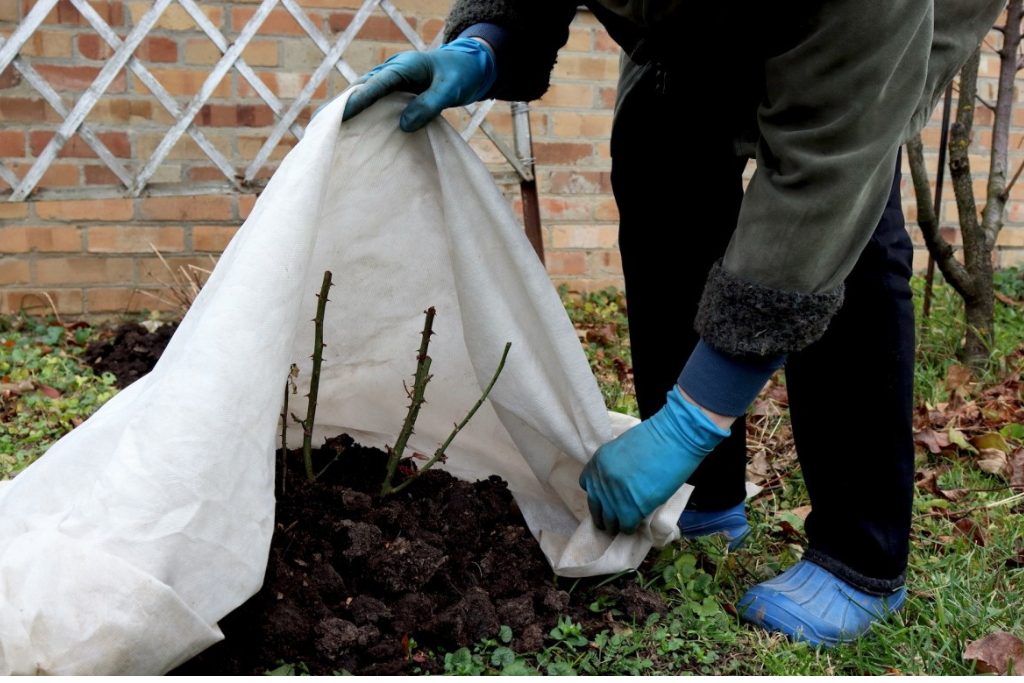
Bedsheets, Blankets, Towels
These household items work well too. Drape them loosely, making sure they reach the soil. Secure edges with rocks or clips so they don’t blow away.
Burlap
Great for wrapping trunks or covering shrubs. It offers protection while allowing airflow.
Mulch
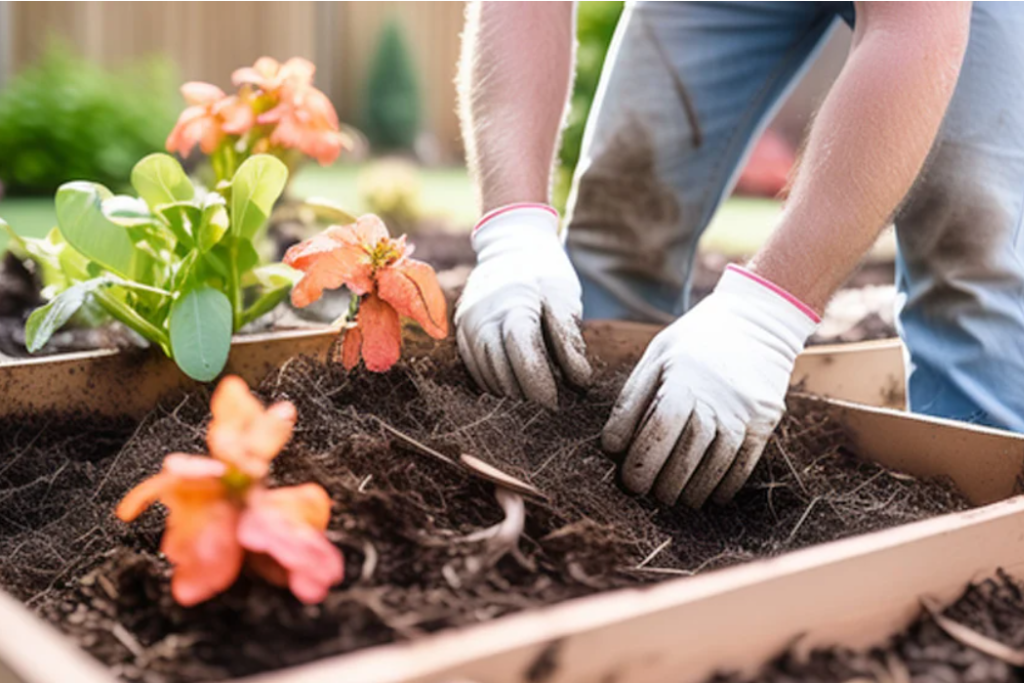
Mulch insulates soil and helps keep roots warm. Wood chips, bark, straw, or shredded leaves work well.
Boxes, Bins, Buckets
Turn these upside down over small plants at night. Just remove them in the morning so plants get sunlight.
Materials to Avoid
- Plastic touching leaves (freezes moisture onto the plant)
- Tarps that trap condensation
- Tight coverings that can overheat plants once the sun rises
If using plastic, always place a cloth layer underneath.
Holiday Wishes & Special Store Hours

Wishing everyone a warm, safe, and beautiful Happy Holidays!
And if you need frost cloth, mulch, heat-friendly plants, or expert gardening advice, stop by The Green Goddess Nursery.
Holiday Hours Reminder:
Christmas Week
• December 24 – Open 8:00 AM to 12:00 PM
• December 25 – Closed
• December 26 – Open 8:00 AM to 5:00 PM
New Year’s Week
• December 31 – Open 8:00 AM to 12:00 PM
• January 1 – Closed
• January 2 – Open 8:00 AM to 5:00 PM
Stay cozy, keep your plants cozy, and we’ll see you soon at The Green Goddess!