June can be one of the toughest months for Phoenix gardens.
The temperatures climb fast. The air stays dry. Plants are working overtime just to get through the day.
And while most people are focused on watering, another problem is usually building behind the scenes.
Pests.
We see this every year. A plant looks healthy one week, and by the next week the leaves are turning yellow, growth is slowing down, or something just seems off.
Most people assume it’s heat stress. Sometimes it is. But many times, insects are part of the problem too.
The tricky part is that pests love stressed plants.
When plants are struggling with heat, they become easier targets. June creates the perfect environment for several common garden insects to multiply quickly, especially in Phoenix landscapes where temperatures stay high day after day.
If you’ve ever walked outside and wondered why your plants suddenly look tired despite regular watering, this is a good place to start looking.
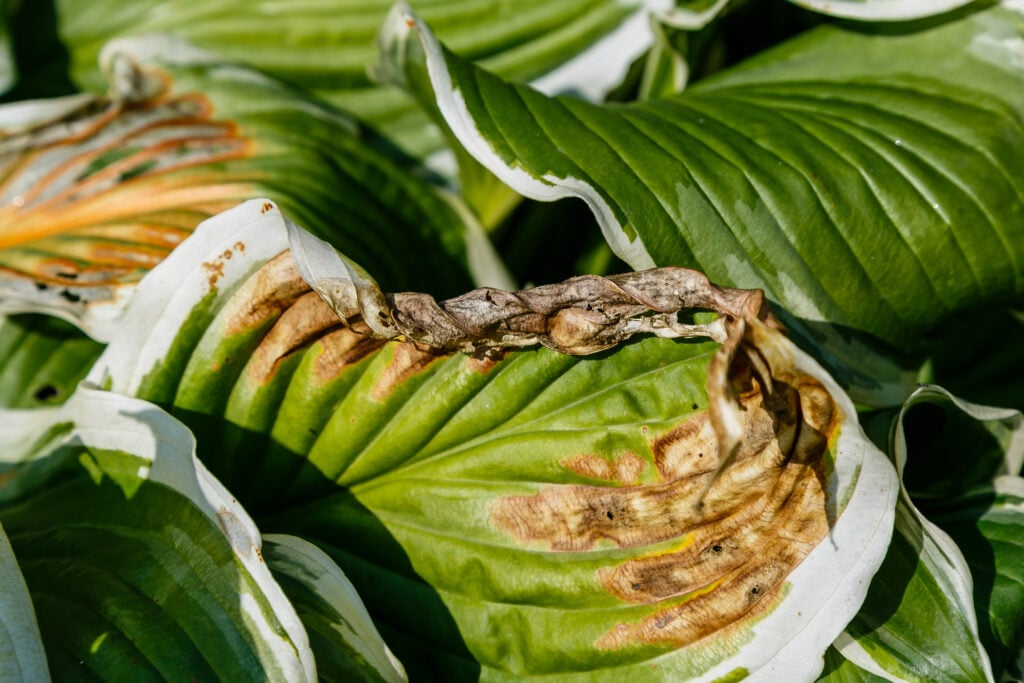
Why Pest Problems Explode in June
A lot of garden insects thrive in hot, dry weather.
Unlike people, they aren’t trying to escape the heat. Many of them actually reproduce faster when temperatures rise.
At the same time, plants are under pressure from intense sun, reflected heat from block walls, and rapidly drying soil.
This combination creates an easy opportunity for pests.
You’ll often notice infestations appearing in areas where plants receive harsh afternoon sun or where airflow is limited. Container plants can be especially vulnerable because they heat up faster and dry out more quickly than plants growing in the ground.
This is usually when problems start showing up. The heat weakens them, and pests move in while they’re already stressed.
Spider Mites: Tiny Pests, Big Damage
Spider mites are probably one of the most common summer pest problems we see in Phoenix.
The frustrating part is how hard they are to spot at first.
They’re extremely small, often hiding underneath leaves where most people never think to look.
Early signs usually include:
Leaves developing tiny yellow or pale spots
A dusty or faded appearance
Fine webbing between leaves or stems
Leaves dropping earlier than normal
By the time webbing becomes obvious, the infestation is often well established.
Spider mites thrive during hot, dry weather. June gives them exactly what they want.
Plants near reflective surfaces like walls, patios, and gravel are often hit first because those areas create even more heat stress.
Aphids: Fast Reproduction and Constant Feeding
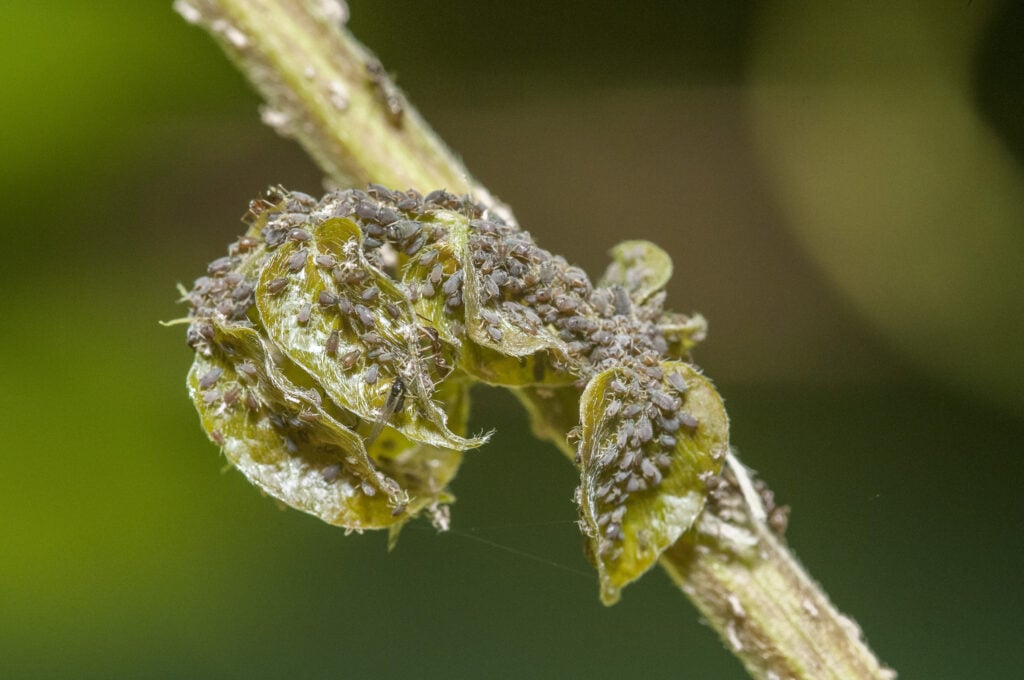
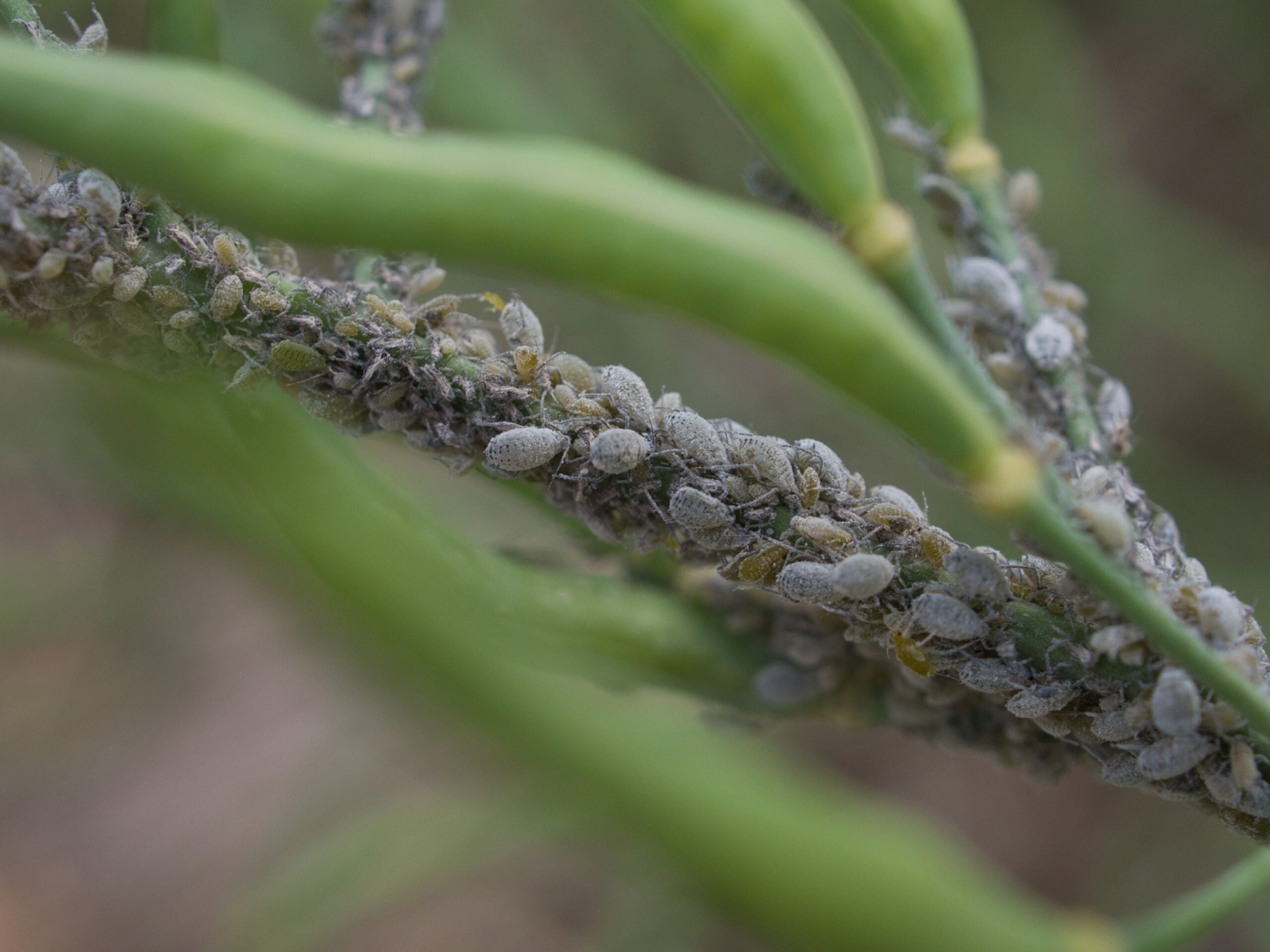
Aphids may be small, but they can multiply surprisingly fast.
One week you see a few. The next week there are dozens clustered around new growth.
They feed by sucking sap from plants, which weakens fresh stems, flower buds, and tender leaves.
Common signs include:
Curled leaves
Sticky residue on foliage
Distorted new growth
Large groups of insects gathering on stems
You’ll often find aphids on flowering plants, vegetables, and fresh spring growth that hasn’t fully hardened off yet.
The good news is they’re usually easier to spot than spider mites. The challenge is stopping them before their population explodes.
Whiteflies: Small Insects That Cause Big Frustration
Whiteflies are another common June pest in Phoenix gardens.
If you’ve ever brushed against a plant and seen a cloud of tiny white insects fly into the air, you’ve probably found them.
These insects gather underneath leaves and feed on plant sap much like aphids.
Signs of whitefly activity include:
Yellowing leaves
Sticky residue on plants
Slow growth
Tiny white insects flying up when disturbed
Whiteflies often become a recurring problem because they reproduce quickly and can spread from plant to plant without much effort.
This is especially common in crowded garden beds where plants are growing close together.
Heat-Friendly Pest Control Strategies That Actually Work
June isn’t the time for harsh treatments that can further stress already struggling plants.
The goal is to get pests under control without creating even more stress for the plant.
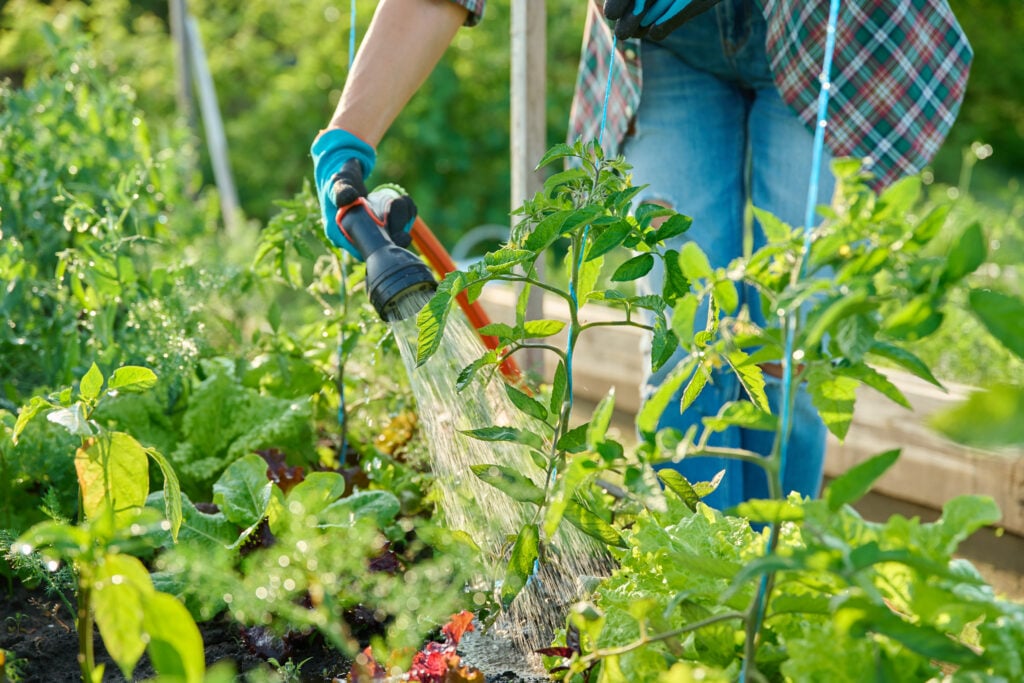
Start with a strong spray of water
Sometimes the simplest solution helps the most.
A steady stream of water can knock aphids and whiteflies off plants before populations become overwhelming.
Morning is usually the best time for this.
Plants have time to dry out afterward, and you’re not adding extra stress during the hottest part of the day.
Check plants regularly
This sounds simple, but it’s one of the most effective things you can do.
Walk through your garden every few days and look underneath leaves.
Most infestations are much easier to manage when they’re caught early.
Waiting even a week or two can make a huge difference during June because pests reproduce so quickly in the heat.
Keep plants properly watered
Stressed plants attract more problems.
Deep watering helps plants develop stronger roots and improves their ability to recover from insect damage.
Overwatering isn’t the answer, but neither is letting plants repeatedly dry out.
Consistent moisture makes a noticeable difference in plant health during peak summer.
Encourage beneficial insects
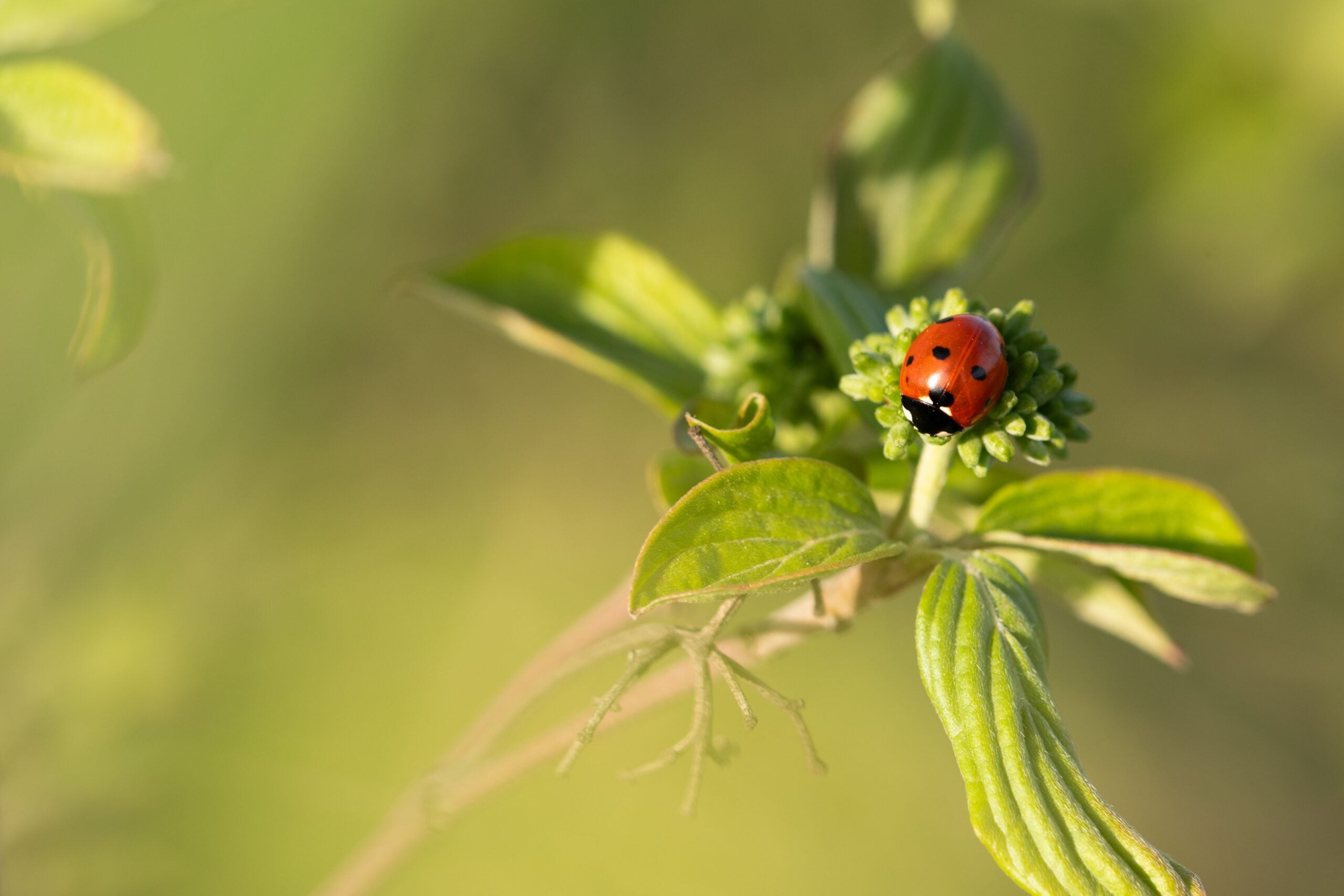
Not every insect in your garden is a problem.
Ladybugs, lacewings, and other beneficial insects help control aphids and several other common pests naturally.
Gardens with a variety of flowering plants often attract more beneficial insects throughout the season.
Prune heavily infested areas
If a section of a plant is covered in pests and beyond saving, removing it can help slow the spread.
This is especially helpful for aphids and whiteflies gathering on fresh growth.
Just avoid heavy pruning during extreme heat. Focus only on the affected portions.
Healthy Plants Handle Pests Better
One thing that surprises many gardeners is that pest control often starts with plant care.
Plants growing in the right location, getting proper water, and protected from excessive stress are generally better equipped to tolerate insect activity.
That doesn’t mean pests disappear completely.
It simply means your plants are less likely to become overwhelmed when they show up.
Stay Ahead of Summer Pest Problems
June is one of the busiest months for garden pests in Phoenix, but it doesn’t have to turn into a losing battle.
A few minutes of observation each week can help you catch problems early before they spread through your entire yard.
If you’re seeing unusual leaf damage, sticky residue, yellowing foliage, or insects you’re not sure how to identify, stop by The Green Goddess.
We’ll help you figure out what’s happening and recommend solutions that work in Phoenix heat without adding more stress to your plants.
4139 E. Bell Road, Phoenix
Open 7 days a week 🌿