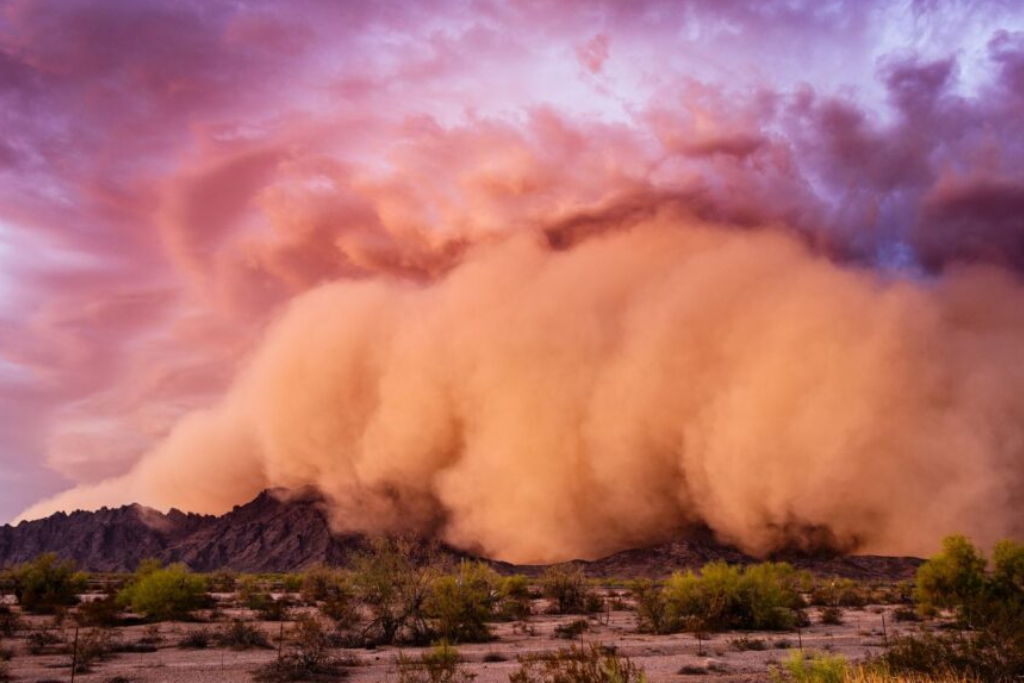
Phoenix spends most of the summer feeling dry enough to crack the ground. Then monsoon season shows up, and suddenly your yard has to handle heavy rain, strong winds, and fast-moving water.
It doesn’t take a major storm to cause problems. One strong storm can wash away mulch, carve small channels through your landscape, or leave standing water around your plants.
We see this every year. A yard looks perfectly fine during June, then one monsoon storm reveals drainage problems that were hiding all along.
The good news is you don’t have to redesign your entire landscape. A little preparation before storm season can save you a lot of cleanup later.
Improve Landscape Drainage
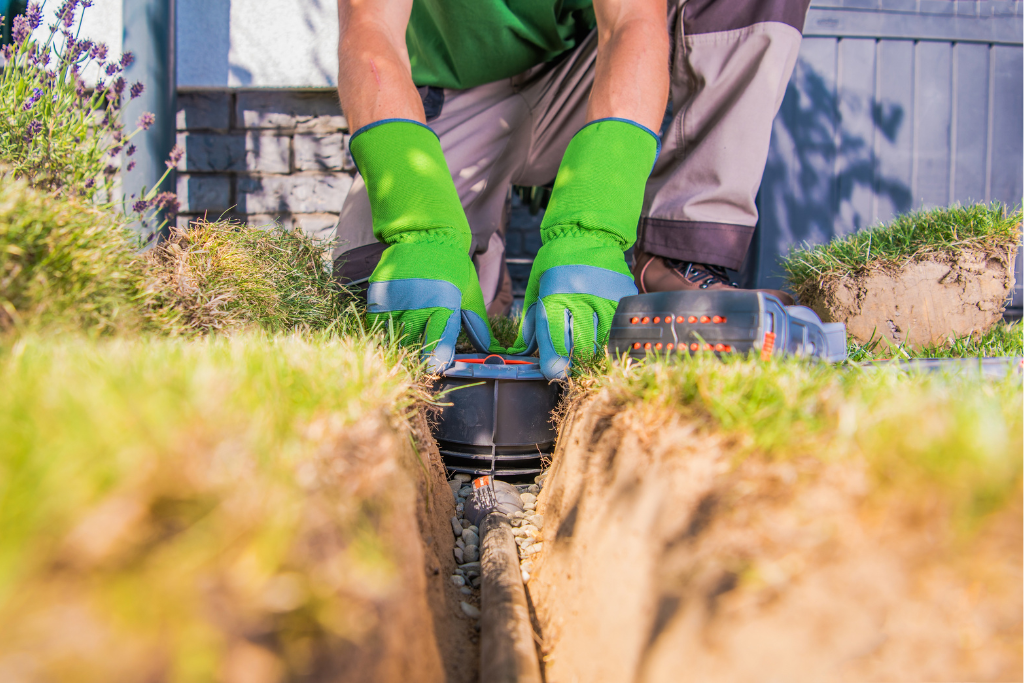
One of the biggest problems during monsoon season isn’t the rain itself. It’s where the water ends up.
Walk around your yard after a heavy watering. If you notice puddles that take hours to disappear, those same spots will likely become even worse during a summer storm.
Low areas near patios, sidewalks, block walls, and downspouts are usually the first places where water collects.
Here are a few simple ways to improve drainage:
Loosen compacted soil
Phoenix soil becomes incredibly hard after months of dry weather. Instead of soaking in, rain often runs across the surface.
Mixing compost into the top layer helps water soak into the ground instead of flowing away.
Create gentle slopes
Water should naturally move away from your home’s foundation and toward areas where it can safely soak into the soil.
Even small grading adjustments can make a noticeable difference during heavy rain.
Use dry creek beds or drainage channels
Decorative dry creek beds aren’t just attractive. They help guide stormwater through your yard while reducing erosion.
Many Phoenix landscapes use them because they blend naturally into desert designs while solving drainage problems at the same time.
Prevent Soil Erosion During Storms
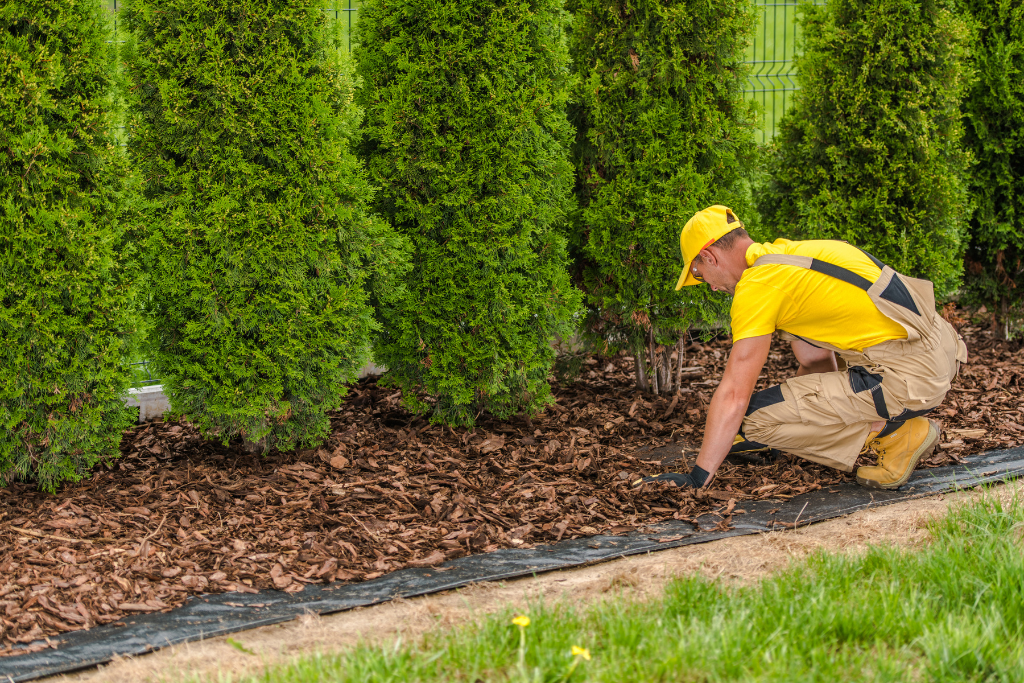
Heavy rain can wash away more than dirt.
It can expose roots, carry away nutrients, and leave plants sitting in uneven ground.
This happens most often on slopes or newly planted areas where roots haven’t had time to hold the soil together yet.
A few things can help:
Cover bare soil
Bare ground is one of the easiest places for erosion to start.
Adding mulch or planting ground covers helps protect the surface from pounding rain while slowing down moving water.
Plant before storm season when possible
Established plants have stronger root systems that naturally hold soil in place.
New plants can still do well during monsoon season, but they’ll need a little extra attention until their roots spread.
Avoid directing water straight down slopes
If all of your irrigation or roof runoff flows to one spot, it can slowly carve channels through your landscape.
Spreading water over a wider area reduces the force that’s causing the erosion.
Protect Mulch and Decorative Rock
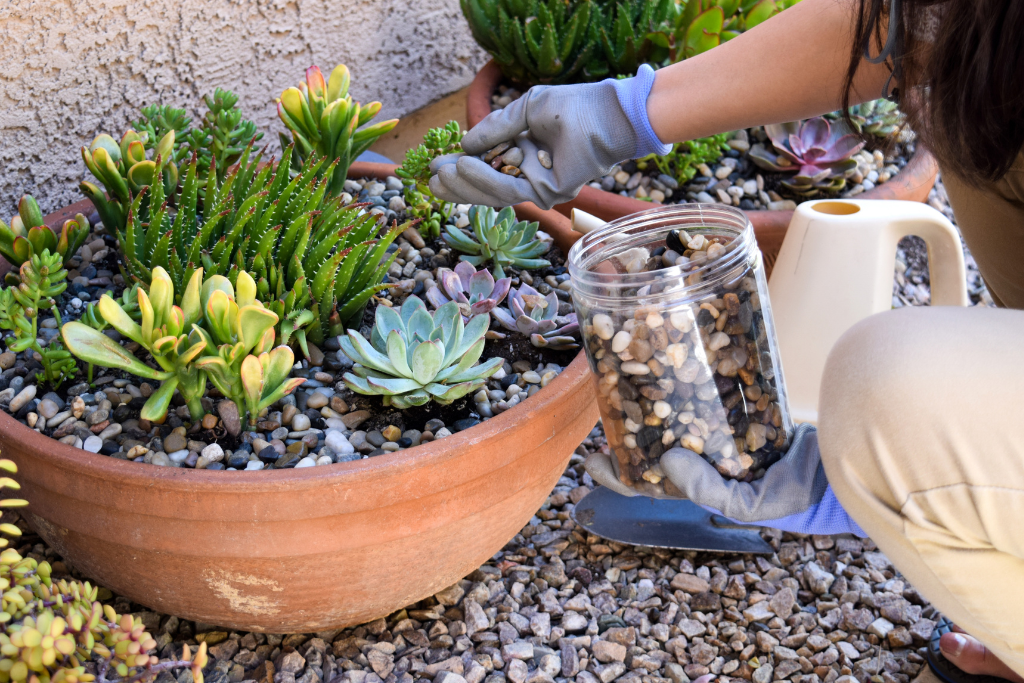
Monsoon winds don’t just move tree branches.
They can scatter mulch across your yard and shift decorative rock into places you never planned.
We see this all the time after the first big storm.
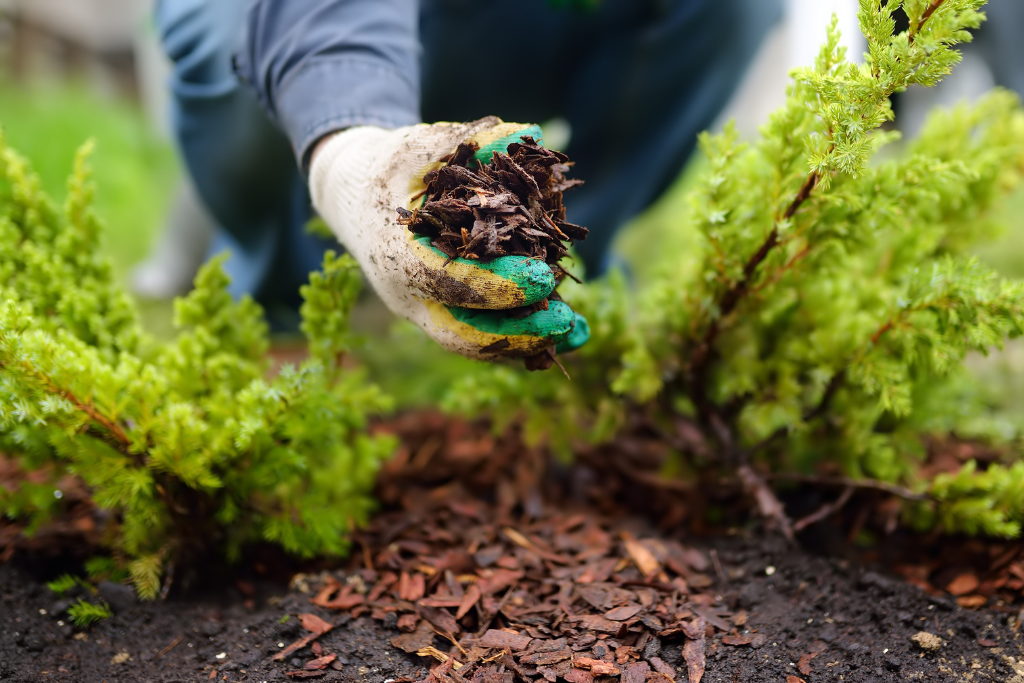
Choose mulch that stays in place
Larger wood chips or shredded bark tend to stay put better than lightweight materials.
They also continue protecting the soil while allowing rain to soak through.
If mulch has become thin over the summer, adding a fresh layer before monsoon season can help keep it from washing away.
Check decorative rock borders
Rock can slowly move downhill during repeated storms, especially on sloped landscapes.
Take a quick walk around your yard before monsoon season begins.
If you notice areas where rock is already drifting, adding edging or adjusting the slope can help keep everything where it belongs.
Keep drainage paths clear
Leaves, branches, and other debris can block areas where water is supposed to flow.
Cleaning those spots before storms arrive helps prevent water from backing up into planting beds.
Keep Plant Roots Healthy During Heavy Rain
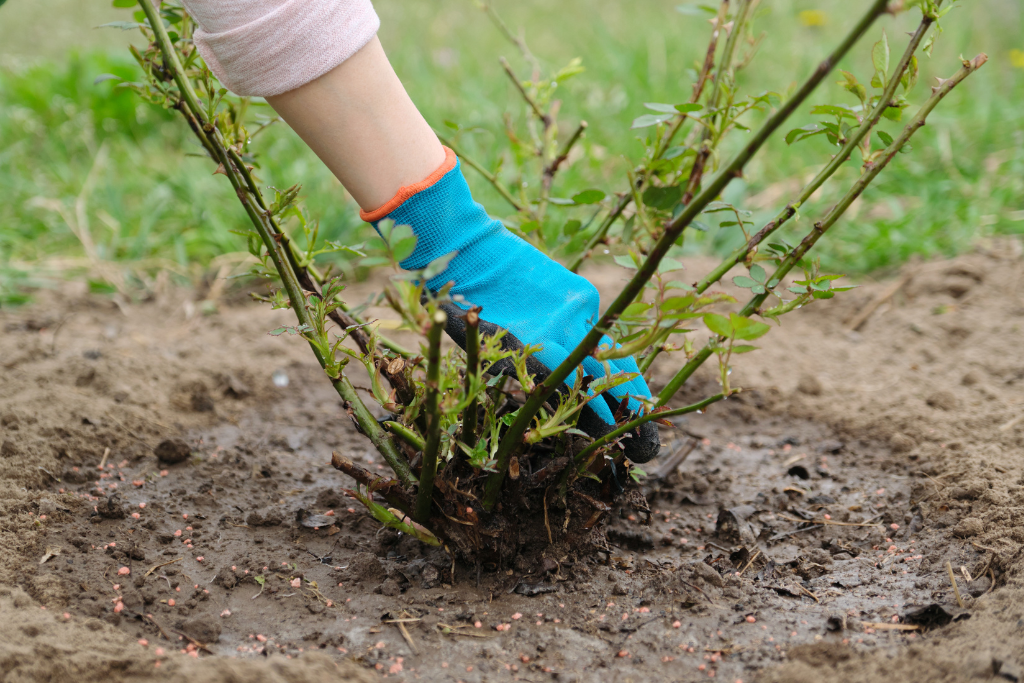
After weeks of extremely dry weather, many people assume plants will love every drop of rain.
Sometimes they do.
Sometimes they don’t.
Plant roots need both water and oxygen.
When the soil stays soaked for too long, roots can’t breathe properly, and plants begin showing signs of stress.
You might notice:
Yellowing leaves
Wilting even though the soil is wet
Slow growth
Leaves dropping unexpectedly
This is especially common in containers because water has fewer places to escape.
If your pots don’t drain well, roots can sit in water much longer than they should.
One thing that makes a difference is checking your watering schedule after storms.
Many gardeners continue watering as if nothing changed.
After a good rain, your plants may not need additional irrigation for several days.
Take a few minutes to check the soil before turning the system back on.
Your plants will usually tell you what they need.
Small Changes Now Can Prevent Big Problems Later
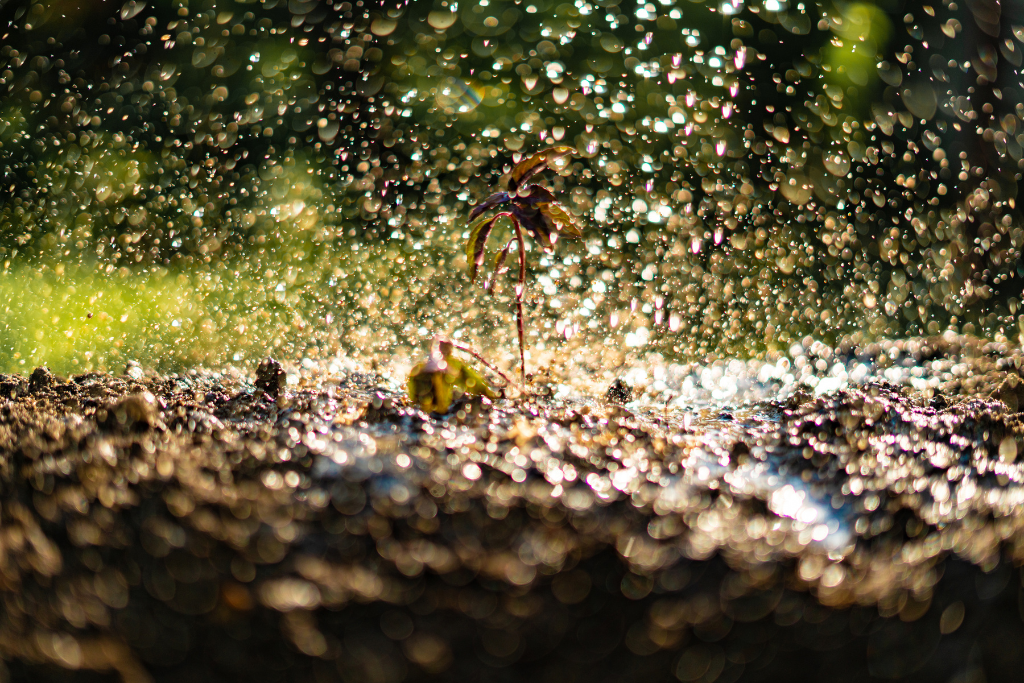
Monsoon storms are part of gardening in Phoenix.
You can’t stop the rain, but you can make sure your landscape is ready for it.
Better drainage helps protect your home and your plants.
Healthy soil stays where it belongs instead of washing away.
Mulch and decorative rock remain in place, and roots stay healthier because water can move through the soil the way it’s supposed to.
Wind is one of the biggest parts of Arizona monsoons. If you have newly planted trees, make sure they’re properly staked before monsoon season. Strong wind gusts can shift young root balls before they’ve fully established.
If you’re not sure whether your yard is ready for monsoon season, stop by The Green Goddess.
We’ll help you choose the right mulch, soil amendments, drainage solutions, and desert-friendly plants so your landscape can handle both the intense summer heat and the storms that follow.
4139 E. Bell Road, Phoenix
Open 7 days a week 🌿