Boost Yields and Reduce Pests Naturally
Gardening in the desert can feel like a challenge. The heat is intense, the soil can be tough, and pests sometimes appear when you least expect them. Many gardeners think the solution is simply more water or stronger pest control products.
But experienced gardeners know a powerful secret: plants can help each other grow.
This idea is called companion planting. It means placing certain plants next to each other so they support one another. Some plants improve the soil. Some attract helpful insects. Others naturally repel pests.
When done correctly, companion planting can help your garden produce more food, stay healthier, and require less intervention. In a desert environment like Phoenix, it can make a big difference.
Let’s explore how companion planting works and how you can use it in your own garden.
Plants That Naturally Support Each Other in Phoenix Soil
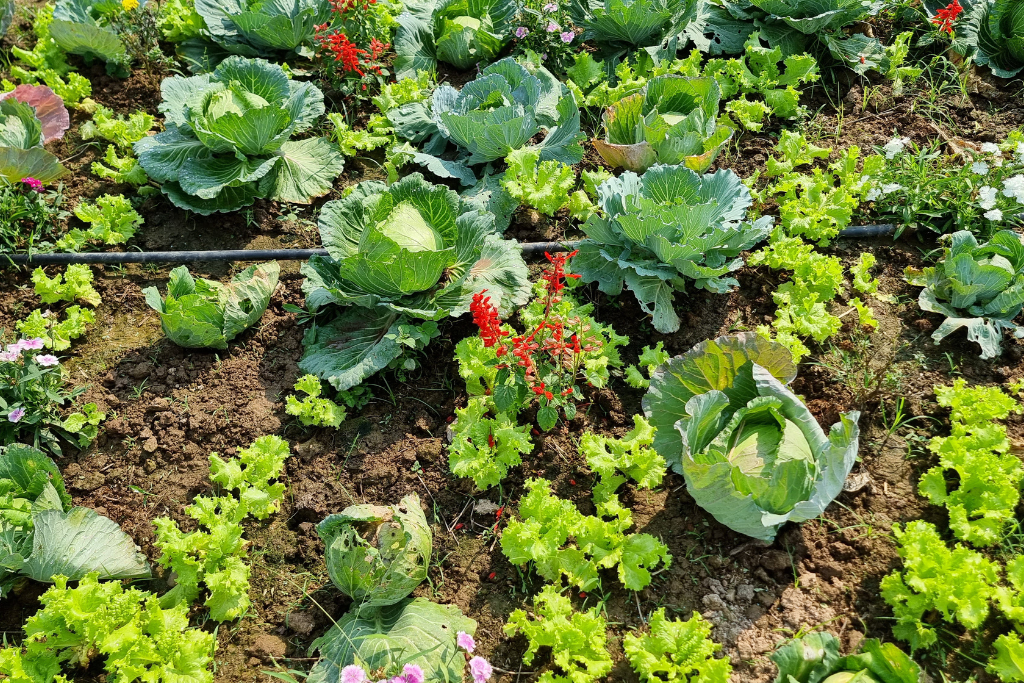
Not all plants compete with each other. In fact, some combinations work together in ways that improve growth and soil health.
Phoenix soil is often sandy, dry, or low in nutrients. Certain plants help balance this by improving soil structure, providing shade, or adding nutrients back into the ground.
Beans and Corn
Beans are known as nitrogen-fixing plants. This means they pull nitrogen from the air and release it into the soil through their roots. Nitrogen is one of the key nutrients plants need to grow strong leaves and stems.
Corn is a heavy feeder and benefits from this extra nitrogen. When grown together, beans help enrich the soil while corn provides a natural support structure for climbing bean vines.
Squash and Taller Plants
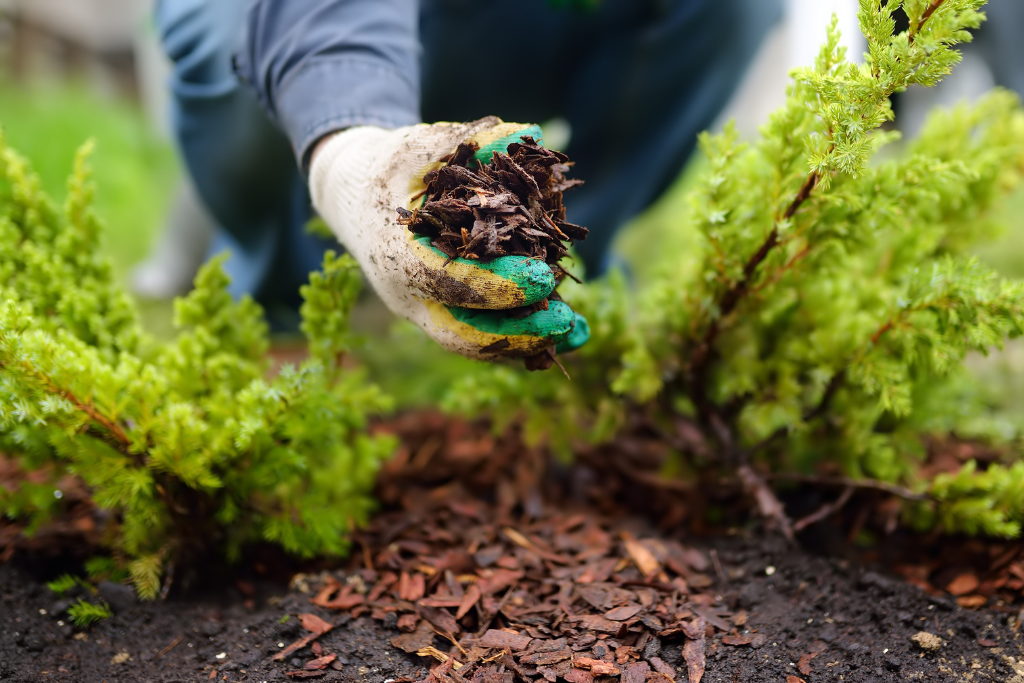
Squash plants grow large leaves that spread across the ground. These leaves act like living mulch, shading the soil and reducing moisture loss.
In a hot desert climate, this can be very helpful. The shade created by squash plants keeps soil temperatures lower and helps neighboring taller plants retain water longer.
Herbs Near Vegetables
Certain herbs grow well alongside vegetables and can improve the garden environment.
For example:
- Basil grows well near tomatoes and peppers
- Oregano spreads low and helps cover bare soil
- Rosemary can help deter some insects
Herbs are often hardy and well-suited to desert gardens, making them great companions for edible plants.
How Companion Planting Reduces Pests Naturally
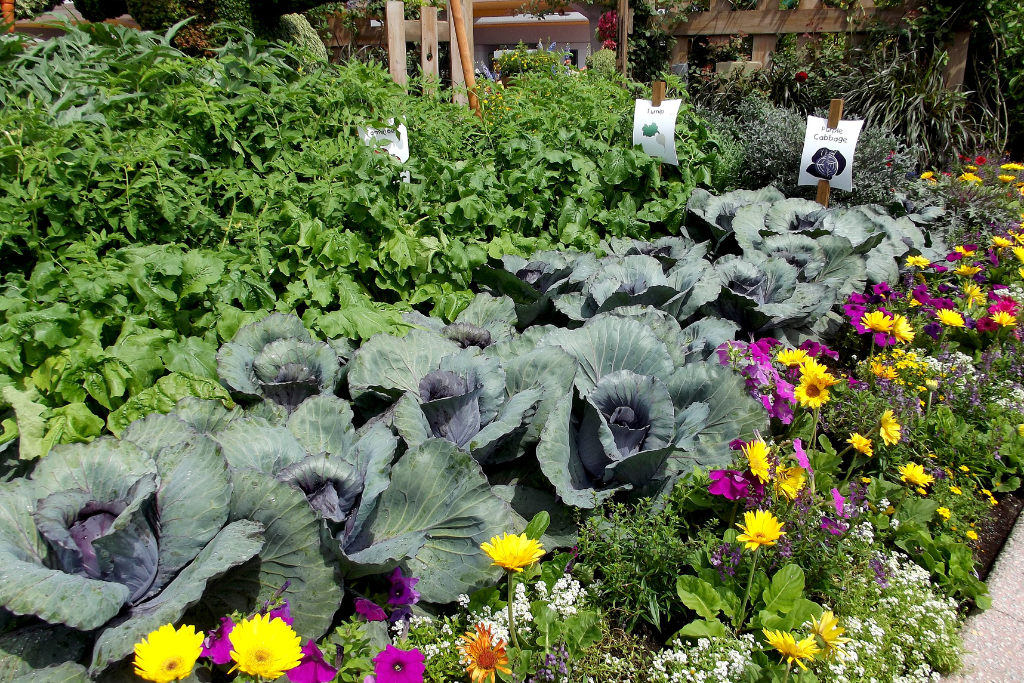
One of the most exciting benefits of companion planting is natural pest control.
Instead of relying heavily on sprays, companion planting works by confusing pests or attracting beneficial insects that keep harmful bugs under control.
Strong-Smelling Plants Repel Insects
Many pests locate plants by smell. Strongly scented plants can interfere with this process.
Examples include:
- Basil
- Garlic
- Chives
- Rosemary
These plants release natural oils that may help mask the scent of nearby vegetables, making it harder for pests to find them.
Flowers Attract Helpful Insects
Not all insects are harmful. Some insects are actually gardeners’ best friends.
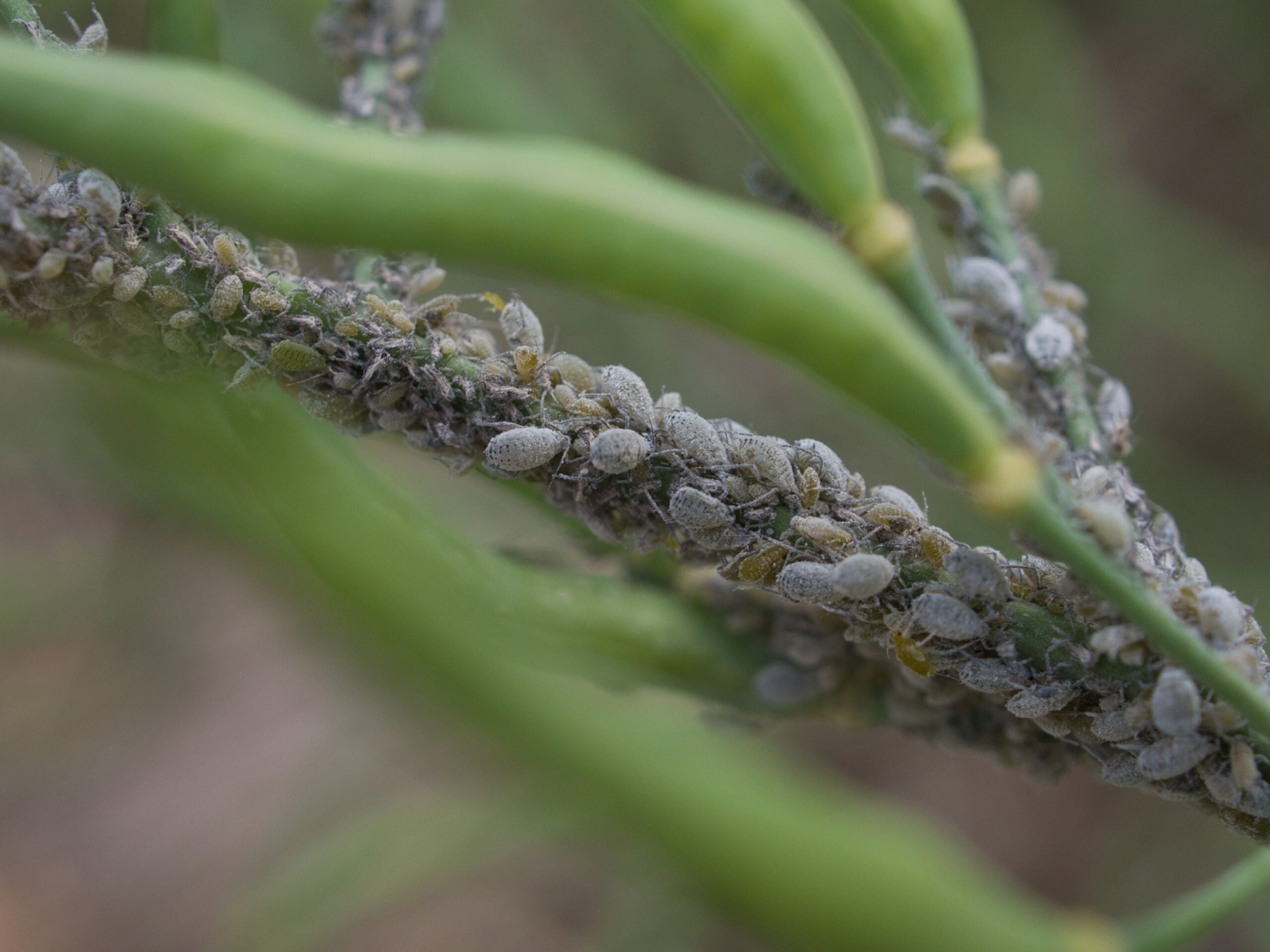
Flowers like marigolds, calendula, and cosmos attract beneficial insects such as ladybugs and lacewings. These insects feed on pests like aphids and mites.
When your garden attracts helpful insects, they naturally help keep pest populations under control.
Diversity Confuses Pests
Large areas filled with only one type of plant can attract pests quickly. When pests find their favorite plant, they often stay and multiply.
Companion planting introduces variety. When different plants grow together, pests have a harder time spreading quickly across the garden.
This simple change can reduce large pest outbreaks.
Pairing Vegetables and Flowers for Improved Yield
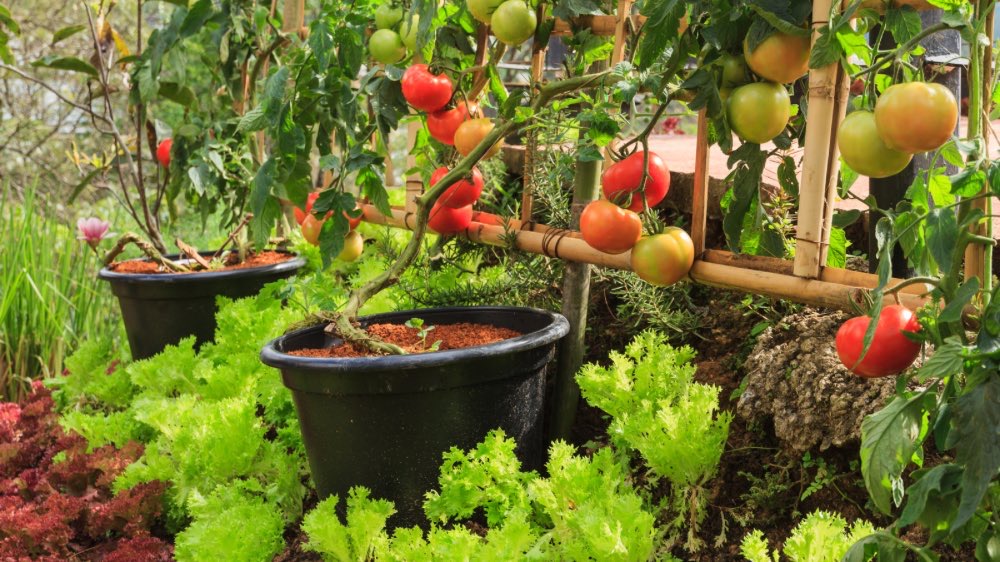
Many gardeners separate vegetables and flowers into different areas. But mixing them together can actually improve plant health and harvests.
Flowers do more than make a garden beautiful. They also support pollinators and beneficial insects.
Tomatoes and Marigolds
Marigolds are one of the most popular companion plants for vegetables. They are known for their bright blooms and ability to attract pollinators.
Some gardeners believe marigolds may also help discourage certain soil pests, making them a common companion for tomatoes and other garden vegetables.
Cucumbers and Nasturtiums
Nasturtiums are colorful flowers that grow easily in warm climates. They are sometimes called a “trap plant” because they attract certain pests away from vegetables.
Planting nasturtiums near cucumbers or squash can help draw pests away from your main crops.
Lettuce and Taller Plants
Leafy greens like lettuce prefer cooler conditions. In Phoenix gardens, this can be a challenge because direct sun can cause lettuce to bolt quickly.
Planting lettuce near taller plants can provide partial shade, helping the soil stay cooler and extending the harvest window.
Simple Tips for Starting Companion Planting
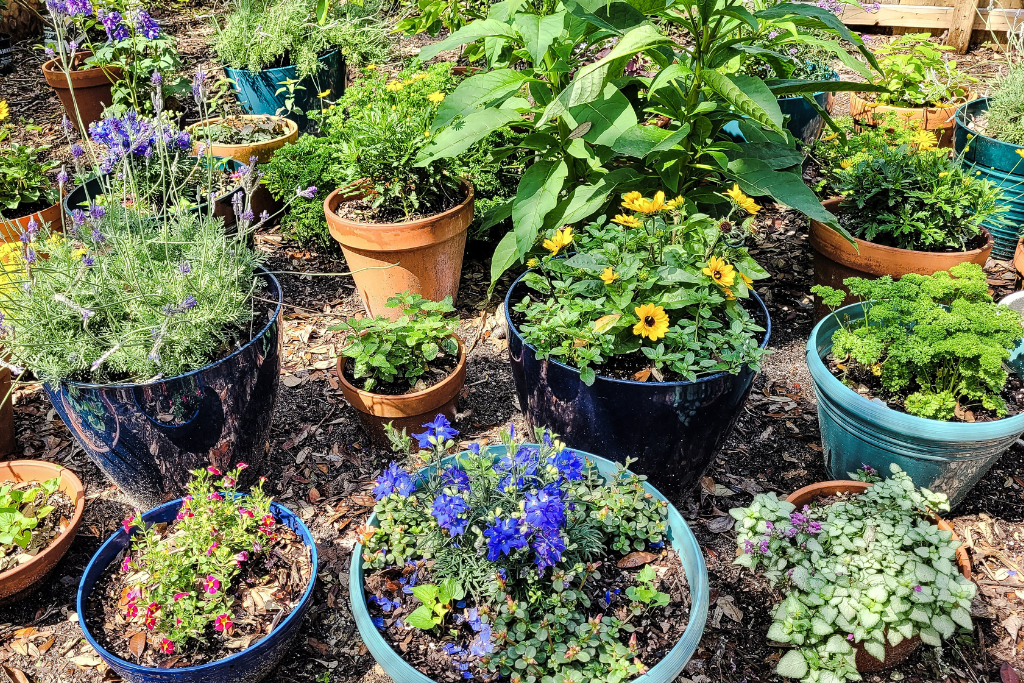
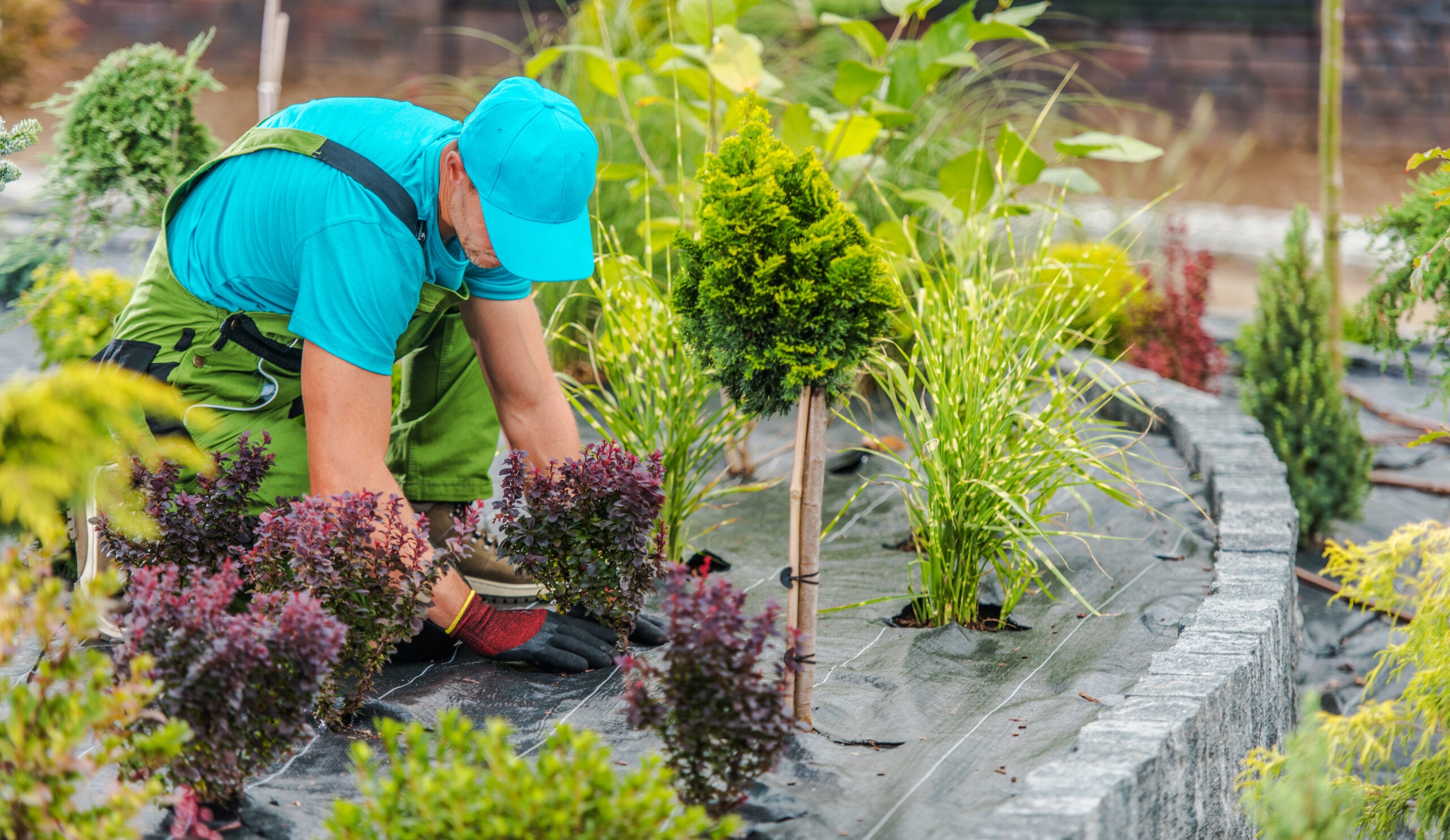
If you’re new to companion planting, you don’t need to redesign your entire garden. Start small and experiment.
Here are a few easy ways to begin:
- Mix herbs among vegetable beds
- Add flowers along garden borders
- Avoid planting large blocks of only one crop
- Observe how plants respond to different neighbors
Gardening is always a learning process. The more you observe, the more you discover which plant combinations thrive in your specific yard.
A Healthier Garden Through Smart Plant Partnerships
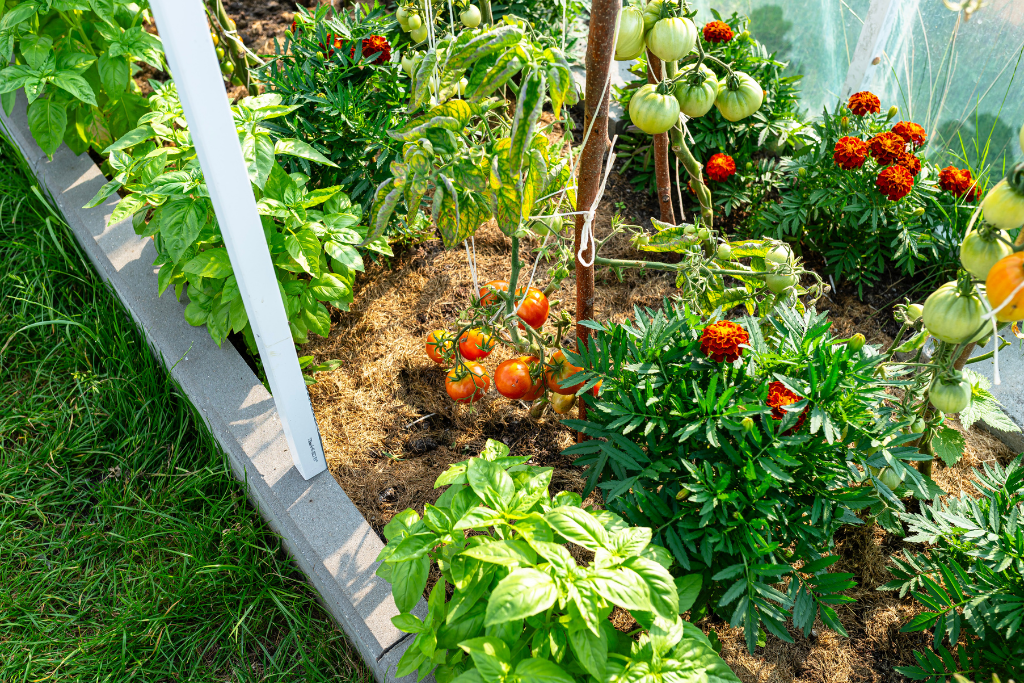
Companion planting works because nature thrives on cooperation. Plants share space, support each other, and create balance within the garden.
In the Phoenix desert, where conditions can be tough, these natural partnerships can help your garden become stronger and more productive.
By combining vegetables, herbs, and flowers thoughtfully, you create an ecosystem that encourages growth, protects plants, and boosts harvests.
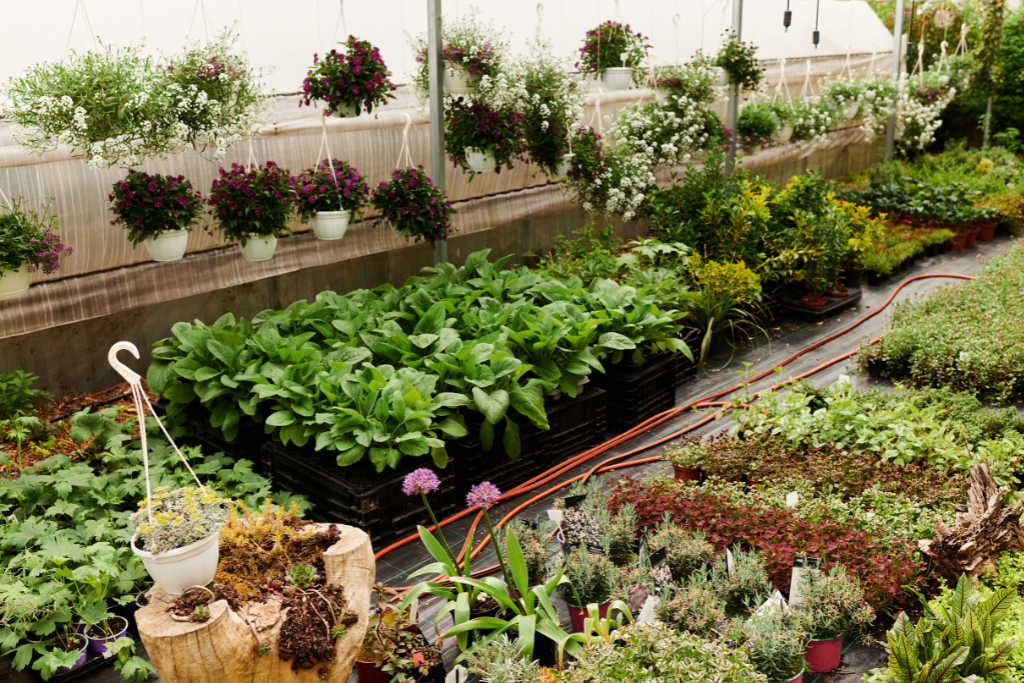
If you’re interested in learning more about companion planting or finding the right plants for your desert garden, visit The Green Goddess Nursery. Our team can help you choose desert-friendly vegetables, herbs, and flowers that work well together in Phoenix soil.
A thriving garden often starts with the right plant neighbors. Let The Green Goddess help you build a garden where everything grows better together.