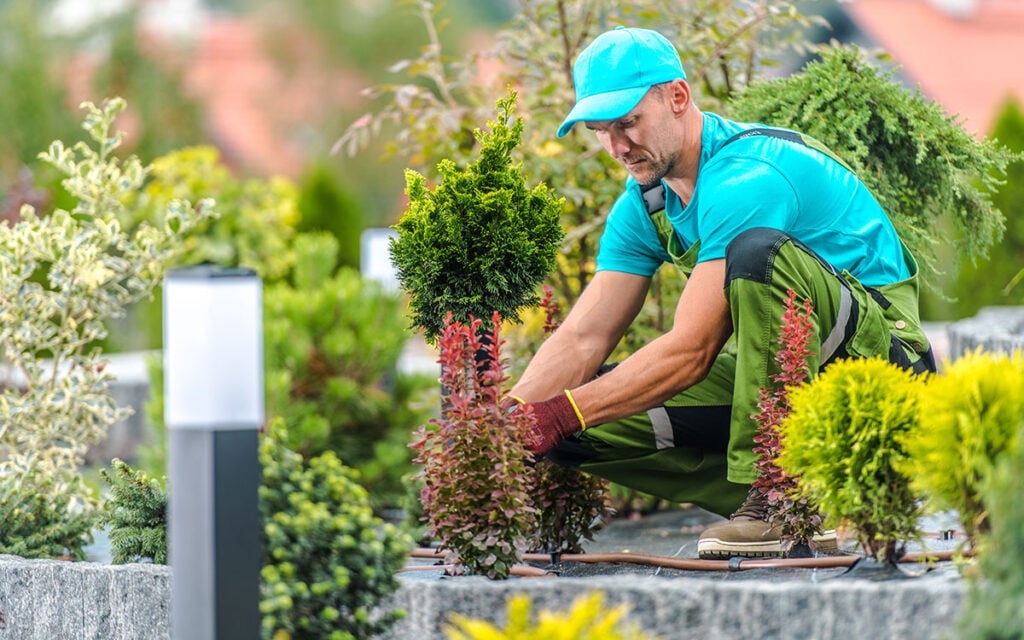
In Arizona, gardening can feel tricky. The sun is strong, the soil is dry, and water is precious. But the good news is this. Some of the best tools for a healthy garden are already around you. Things like fallen leaves, kitchen scraps, and plant trimmings can become powerful helpers when used the right way. This is what sustainable landscaping is all about, turning everyday waste into garden gold.
Sustainable gardening does not mean doing everything perfectly. It means making small, smart choices that help your plants grow stronger while protecting the environment. When you reuse natural materials, you improve your soil, save water, and create a healthier space for plants to grow. This is especially important in the Arizona desert.
Let’s explore how easy composting and simple reuse can make a big difference in your garden.
Easy Composting and Mulch Practices for Desert Soil
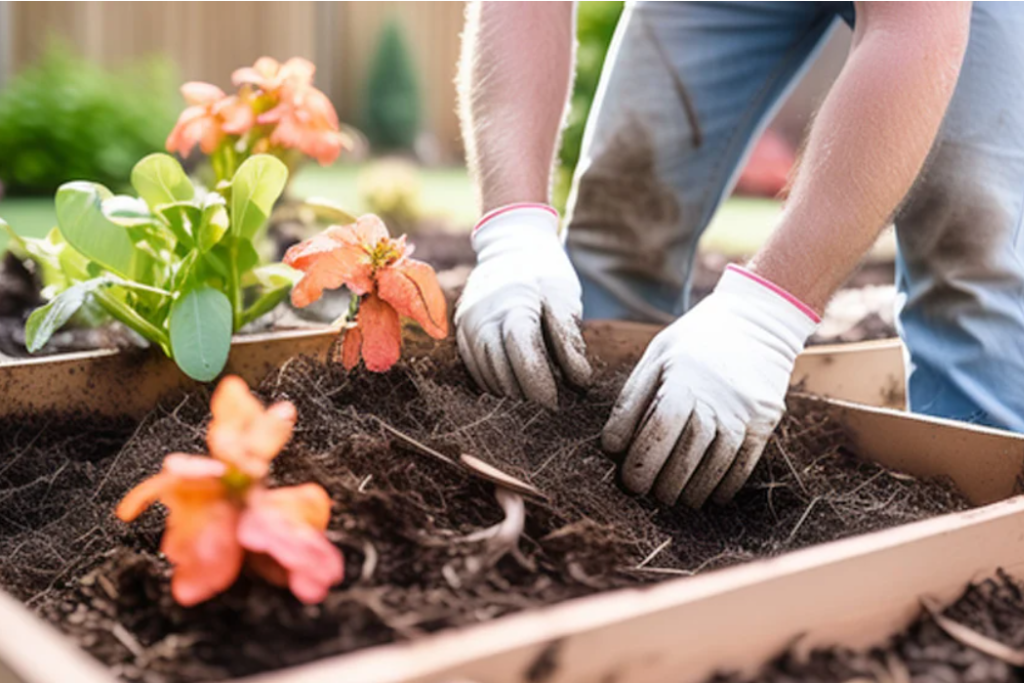
Arizona soil often lacks nutrients and dries out quickly. This makes it harder for plants to grow strong roots. Compost and mulch help solve this problem naturally.
Compost is made from broken down organic material. It feeds the soil and helps it hold moisture longer. Healthy soil means healthier plants, especially during hot desert months.
You do not need a large yard or special tools to compost. A small bin, a covered container, or even a quiet corner of your garden will work. The key is mixing two types of materials.
Greens include fruit and vegetable scraps, coffee grounds, and fresh grass clippings.
Browns include dry leaves, shredded cardboard or paper, and small dry twigs.
In Arizona, compost can dry out fast. Lightly water it when needed. It should feel like a damp sponge, not soaked and not dusty. Turning it every week or two helps air move through and speeds up the process.
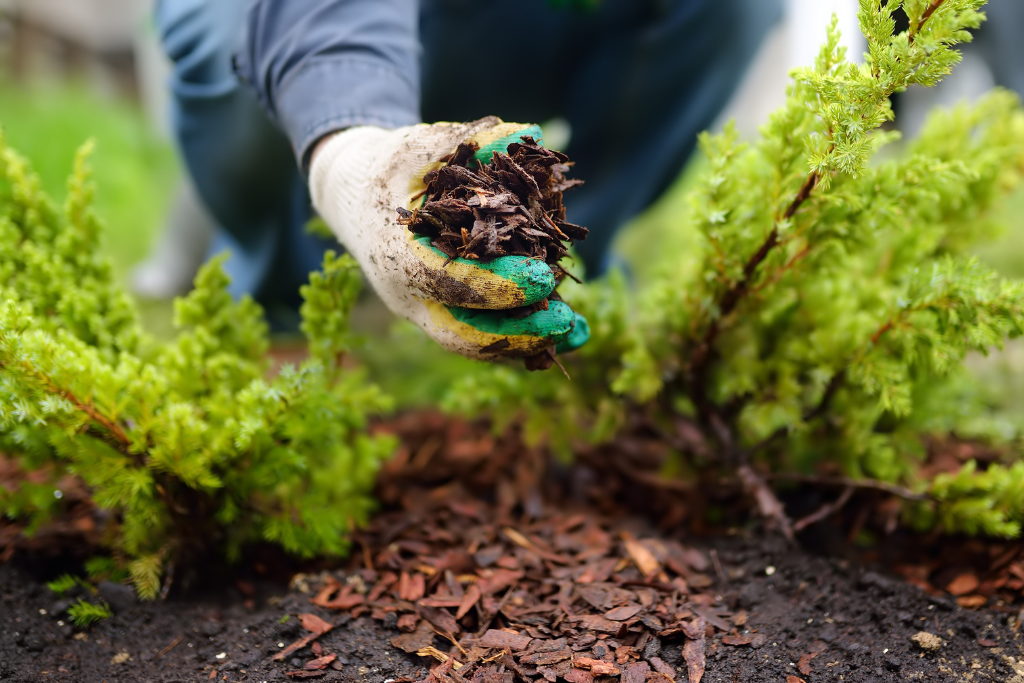
Mulch is just as important. It covers the soil and protects it from extreme heat. Mulch also slows water loss and keeps roots cooler.
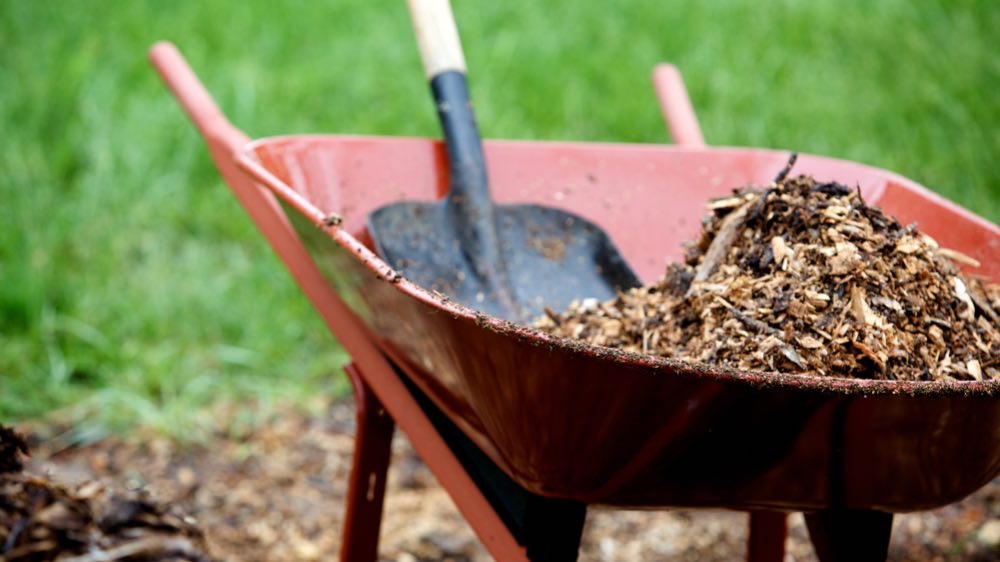
Good mulch options include wood chips, shredded bark, dried leaves, and straw.
Spread mulch about two to three inches thick around plants. Leave a small space around stems and trunks to prevent rot. This simple step helps your garden stay healthy while using less water.
How to Reuse Fallen Leaves, Trimmings, and Kitchen Scraps
Many people throw away things that could help their garden grow. Fallen leaves, plant trimmings, and food scraps all have value when used the right way.
Fallen leaves are one of the best natural soil boosters. Instead of throwing them away, shred them with a mower or by hand. Shredded leaves break down faster and can be mixed into garden beds or used as mulch around trees and plants.
Garden trimmings also serve a purpose. Soft plant cuttings can go straight into compost. Small branches can be chopped and used as mulch. Avoid using diseased plants or weeds with seeds, since they can cause problems later.
Kitchen scraps are another helpful resource. Fruit peels, vegetable ends, eggshells, and coffee grounds add nutrients back into the soil. Avoid meat, dairy, oily foods, and cooked meals because they can attract pests and smell bad in warm weather.
If you do not have space for composting, you can still collect scraps and bring them to a local compost drop off or garden center if available.
Over time, all of these materials break down into dark, rich compost. This improves soil structure, helps retain moisture, and supports strong plant growth even during Arizona summers.
Why Sustainable Landscaping Matters in Arizona

Desert gardening is about working smarter, not harder. When you reuse natural materials, you reduce waste, save water, and improve soil health.
Healthy soil supports better root growth, fewer plant problems, and stronger plants during extreme heat. It also reduces the need for fertilizers and chemicals.
Sustainable landscaping helps support pollinators and creates a balanced outdoor space that benefits both people and nature.
You do not need to change everything at once. Even small steps, like saving leaves or composting food scraps, can make a big difference over time.
Let Your Garden Give Back
Gardening is a cycle. What you return to the soil shapes what your garden becomes. When leaves are reused, scraps are composted, and soil is protected with mulch, your garden slowly starts working with you instead of against you. Over time, plants grow stronger, watering becomes easier, and the landscape feels more balanced and alive.
If you want help choosing the right plants, soil, compost, or mulch for Arizona conditions, visiting the nursery is the next natural step. Seeing plants in person and asking questions helps turn sustainable ideas into real results at home. The team at Green Goddess Nursery can guide you toward plants and materials that support healthy soil and long term success in the desert.
Hours
Monday to Friday
7:00am to 5:00pm
Saturday to Sunday
8:00am to 5:00pm
Stop by, explore what grows best here, and continue turning everyday waste into garden gold through thoughtful, sustainable landscaping.